Category: Latest

  • 10-Minute Daily Workout for Fibromyalgia Pain

    10-Minute Daily Workout for Fibromyalgia Pain

    10-Minute Daily Workout for Fibromyalgia Pain

    1. Why Short Workouts Help Fibromyalgia

    Fibromyalgia often causes chronic pain, fatigue, and stiffness, which can make long workouts difficult. Short, gentle workouts can still provide important benefits without overwhelming the body. Even a 10-minute routine can improve blood circulation, reduce muscle stiffness, and boost mood. Consistency with small daily movements is often more helpful than intense exercise.

    2. Start with Gentle Deep Breathing (1 Minute)

    Begin the routine with slow, deep breathing to relax the body and mind. Sit or stand comfortably and inhale slowly through your nose, then exhale through your mouth. Deep breathing helps calm the nervous system and reduce muscle tension. This simple step prepares your body for movement.

    3. Neck and Shoulder Rolls (1 Minute)

    Gently roll your shoulders forward and backward to loosen tight muscles. Slowly tilt your head side to side and forward to stretch the neck. Many people with fibromyalgia experience tension in the neck and shoulders, so this movement can provide quick relief.

    4. Arm Stretches (1 Minute)

    Raise one arm across your chest and hold it with the opposite hand for a gentle stretch. Switch arms after a few seconds. This movement stretches the shoulders and upper back muscles. Keep the stretch gentle and avoid forcing the movement.

    5. Seated or Standing Marching (2 Minutes)

    March in place slowly while standing or sitting. Lift your knees slightly and move your arms naturally. This light cardio exercise helps improve circulation and warms up the body without putting stress on the joints.

    6. Gentle Side Stretch (1 Minute)

    Stand with your feet shoulder-width apart and slowly raise one arm overhead. Lean slightly to the opposite side to stretch the side of your body. Hold for a few seconds and switch sides. This movement helps stretch the back and torso muscles.

    7. Wall Push-Ups (1 Minute)

    Stand facing a wall with your hands placed on it at shoulder height. Slowly bend your elbows to bring your body toward the wall, then push back to the starting position. Wall push-ups strengthen the arms and shoulders while remaining low-impact.

    8. Seated Leg Lifts (1 Minute)

    Sit in a chair with your back straight. Slowly lift one leg and hold it for a few seconds, then lower it and switch legs. This exercise strengthens the thighs and improves circulation in the lower body.

    9. Gentle Back Stretch (1 Minute)

    Stand or sit and slowly bend forward to stretch your lower back and hamstrings. If standing feels uncomfortable, you can perform this stretch while seated. Hold the stretch briefly and return slowly to an upright position.

    10. End with Relaxation (1 Minute)

    Finish the routine with another minute of deep breathing or light stretching. Relax your muscles and allow your body to cool down. This helps prevent soreness and leaves you feeling calm and refreshed.

    11. Tips for Staying Consistent

    The goal of this 10-minute routine is to support gentle daily movement. Listen to your body and modify exercises if needed. Doing this routine regularly can help reduce stiffness, improve flexibility, and support overall pain management for people living with fibromyalgia.

  • 7 Gentle Exercises for Fibromyalgia Beginners

    7 Gentle Exercises for Fibromyalgia Beginners

    7 Gentle Exercises for Fibromyalgia Beginners

    1. Why Gentle Exercise Helps Fibromyalgia

    Fibromyalgia often causes widespread pain, fatigue, and muscle stiffness, which can make exercise feel difficult. However, gentle physical activity is one of the most effective ways to manage symptoms. Regular movement helps improve circulation, reduce stiffness, and boost energy levels. The key is to start slowly and choose low-impact exercises that are easy on the body.

    2. Walking for Low-Impact Movement

    Walking is one of the easiest and safest exercises for beginners with fibromyalgia. It helps improve circulation, strengthen muscles, and support heart health without putting too much strain on the body. Start with short walks of 5–10 minutes and gradually increase the duration as your body adapts. Walking outdoors can also improve mood and reduce stress.

    3. Gentle Stretching for Flexibility

    Stretching helps reduce muscle stiffness and improve flexibility. Simple stretches for the neck, shoulders, back, and legs can help loosen tight muscles and relieve discomfort. It is best to perform slow and controlled stretches while breathing deeply. Stretching daily, especially in the morning or before bed, may help reduce pain.

    4. Yoga for Relaxation and Balance

    Yoga combines gentle movement, stretching, and breathing techniques. Many yoga poses can be modified for beginners or those with chronic pain conditions. Practicing yoga regularly may improve flexibility, reduce stress, and help manage fibromyalgia symptoms. Slow-paced or restorative yoga styles are often the most suitable.

    5. Water Aerobics for Joint Support

    Exercising in warm water can be very beneficial for people with fibromyalgia. Water supports the body’s weight, reducing pressure on joints and muscles. Activities such as water walking, light swimming, or gentle water aerobics can help build strength while minimizing pain. Warm water can also help relax tense muscles.

    6. Tai Chi for Gentle Body Movement

    Tai Chi is a slow, flowing exercise that focuses on balance, breathing, and controlled movement. It is often described as “meditation in motion.” This gentle practice may improve balance, flexibility, and relaxation. Many people with fibromyalgia find Tai Chi helpful for reducing stress and improving overall well-being.

    7. Stationary Cycling for Light Cardio

    Using a stationary bicycle can provide a low-impact cardiovascular workout. Cycling helps improve stamina and circulation without placing heavy stress on joints. Beginners should start with short sessions at a comfortable pace and gradually increase time and intensity.

    8. Deep Breathing and Relaxation Exercises

    Deep breathing exercises are simple but effective for managing fibromyalgia symptoms. Controlled breathing helps relax muscles, calm the nervous system, and reduce stress levels. Practicing breathing techniques alongside gentle movement can improve relaxation and pain management.

    9. Start Slowly and Listen to Your Body

    When beginning any exercise routine with fibromyalgia, it is important to move slowly and avoid overexertion. Doing too much too quickly may trigger a flare-up. Start with short sessions and gradually build endurance over time. Consistency and gentle progress are the keys to success for fibromyalgia beginners.

  • 10 Simple Diet Changes That Improve Fibromyalgia

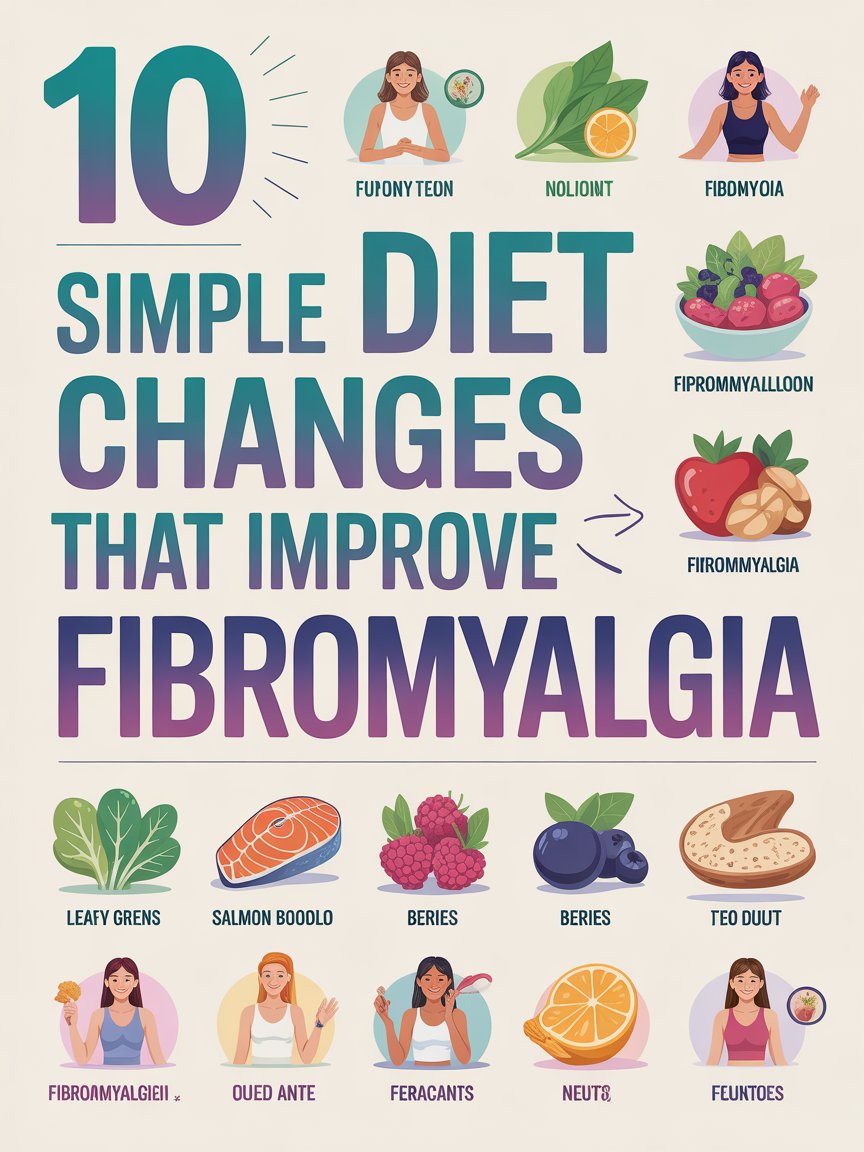
    10 Simple Diet Changes That Improve Fibromyalgia

    1. Why Diet Matters for Fibromyalgia

    Fibromyalgia is a chronic condition that causes widespread pain, fatigue, and sleep disturbances. While diet cannot cure fibromyalgia, the foods you eat can influence inflammation, energy levels, and overall health. Making small and consistent dietary changes may help reduce symptoms and improve daily well-being. A balanced diet can support the body’s natural ability to cope with chronic pain.

    2. Eat More Whole Foods

    One of the simplest changes is to focus on whole, natural foods. Fruits, vegetables, whole grains, lean proteins, and healthy fats provide essential nutrients that support muscle and nerve function. Whole foods are also lower in additives and preservatives that may worsen symptoms. Replacing processed foods with fresh options can improve overall nutrition.

    3. Increase Anti-Inflammatory Foods

    Inflammation may contribute to pain and fatigue in fibromyalgia. Adding anti-inflammatory foods such as fatty fish, berries, leafy greens, nuts, and olive oil may help reduce discomfort. These foods contain antioxidants and healthy fats that support the body’s natural healing processes.

    4. Reduce Processed and Fast Foods

    Highly processed foods often contain unhealthy fats, excess salt, and artificial ingredients. These ingredients can increase inflammation and contribute to fatigue or digestive problems. Limiting fast food and packaged snacks can help support better energy levels and overall health.

    5. Limit Added Sugar

    Sugary drinks, candies, and desserts can cause rapid spikes and drops in blood sugar. These fluctuations may lead to fatigue, mood changes, and energy crashes. Reducing added sugar and choosing natural sweet options like fruit can help maintain steady energy.

    6. Stay Properly Hydrated

    Dehydration can worsen headaches, muscle cramps, and fatigue. Drinking enough water throughout the day supports muscle function and overall health. Herbal teas and water-rich foods like fruits and vegetables can also contribute to hydration.

    7. Choose Lean Protein Sources

    Protein helps repair muscles and maintain steady energy levels. Lean sources such as fish, chicken, beans, tofu, eggs, and yogurt provide important nutrients without excess saturated fat. Including protein in every meal helps keep blood sugar stable and prevents energy dips.

    8. Pay Attention to Food Sensitivities

    Some people with fibromyalgia notice that certain foods trigger symptoms. Common triggers may include gluten, dairy, or artificial additives. Keeping a food journal can help identify patterns and determine whether certain foods worsen symptoms.

    9. Add Magnesium-Rich Foods

    Magnesium supports muscle relaxation and nerve function. Low magnesium levels may contribute to muscle cramps and fatigue. Foods such as almonds, spinach, pumpkin seeds, and whole grains are good natural sources of magnesium.

    10. Eat Regular, Balanced Meals

    Skipping meals can lead to low energy and increased fatigue. Eating regular meals that combine protein, healthy fats, and complex carbohydrates helps maintain stable blood sugar levels. Consistent meals can improve energy and prevent sudden hunger.

    11. Make Changes Gradually

    Improving your diet does not require drastic changes all at once. Small, gradual adjustments are easier to maintain long term. By slowly adding healthier foods and reducing unhealthy ones, you can build sustainable eating habits that support fibromyalgia management and overall well-being.

  • 14 Healthy Snacks for Fibromyalgia Patients

    14 Healthy Snacks for Fibromyalgia Patients

    1. Why Healthy Snacks Matter for Fibromyalgia

    People living with fibromyalgia often experience fatigue, pain, and fluctuating energy levels throughout the day. Healthy snacks can help maintain stable blood sugar, provide essential nutrients, and prevent energy crashes. Choosing nutrient-rich snacks can support muscle health, brain function, and overall well-being. Eating small, balanced snacks between meals may help manage symptoms more effectively.

    2. Apple Slices with Peanut Butter

    Apples provide fiber and natural sweetness, while peanut butter adds protein and healthy fats. This combination helps keep energy levels stable and prevents hunger between meals. It is also a quick and satisfying snack that requires little preparation.

    3. Greek Yogurt with Berries

    Greek yogurt is rich in protein and calcium, which support muscle and bone health. Adding berries such as blueberries or strawberries provides antioxidants that may help reduce inflammation. This snack also supports digestion and long-lasting energy.

    4. A Handful of Almonds

    Almonds are packed with healthy fats, magnesium, and protein. Magnesium supports muscle relaxation and may help reduce muscle cramps. Eating a small handful of almonds can provide a quick energy boost without excessive sugar.

    5. Banana with Almond Butter

    Bananas contain potassium, which supports muscle function and nerve health. Pairing a banana with almond butter adds protein and healthy fats. This snack helps provide steady energy and may reduce fatigue.

    6. Hummus with Fresh Vegetables

    Hummus is made from chickpeas and is rich in protein and fiber. Pairing hummus with vegetables like carrots, cucumbers, or bell peppers provides vitamins and antioxidants. This snack supports digestion and overall nutrition.

    7. Oatmeal Energy Bites

    Homemade oatmeal energy bites made with oats, peanut butter, and honey provide fiber and sustained energy. They are easy to prepare and can be stored for quick snacks during the day. Oats also support heart health and help maintain steady blood sugar.

    8. Cottage Cheese with Pineapple

    Cottage cheese is a high-protein snack that supports muscle repair. Pineapple adds natural sweetness and contains bromelain, an enzyme that may help reduce inflammation. Together they create a balanced and refreshing snack.

    9. Whole-Grain Crackers with Avocado

    Whole-grain crackers provide fiber and slow-releasing carbohydrates. Avocado adds healthy fats and important nutrients such as potassium. This combination helps support heart health and stable energy levels.

    10. Dark Chocolate with Nuts

    A small portion of dark chocolate paired with nuts can provide antioxidants and healthy fats. Dark chocolate contains compounds that may help reduce inflammation and improve mood. Consuming it in moderation can satisfy cravings without excessive sugar.

    11. Smoothie with Fruits and Yogurt

    A smoothie made with fruits, yogurt, and milk or plant-based milk can provide a nutrient-dense snack. Smoothies are easy to digest and can be customized with ingredients like spinach, berries, or flaxseeds. This snack supports hydration and energy.

    12. Boiled Eggs with Whole-Grain Toast

    Boiled eggs are rich in protein and essential vitamins that support muscle health and energy production. Pairing them with whole-grain toast adds fiber and sustained carbohydrates. This combination makes a filling and balanced snack.

    13. Chia Pudding

    Chia seeds are rich in omega-3 fatty acids, fiber, and protein. When soaked in milk or plant-based milk, they form a pudding-like texture. Chia pudding supports digestion and provides steady energy throughout the day.

    14. Trail Mix with Nuts and Dried Fruit

    Trail mix made from nuts, seeds, and small amounts of dried fruit provides a balanced mix of healthy fats, protein, and natural carbohydrates. It is a convenient snack for busy days. Choosing unsweetened dried fruit helps avoid excess sugar.

    15. Building Better Snacking Habits

    Healthy snacks can play an important role in managing fibromyalgia symptoms. Choosing whole, nutrient-dense foods helps support energy levels and reduce inflammation. Eating balanced snacks that include protein, fiber, and healthy fats can prevent fatigue and keep the body fueled throughout the day. Over time, consistent healthy snacking habits can contribute to better symptom management and improved overall health.

  • 11 Supplements That May Ease Fibromyalgia Pain

    11 Supplements That May Ease Fibromyalgia Pain

    1. Understanding Supplements for Fibromyalgia

    Fibromyalgia causes chronic pain, fatigue, sleep disturbances, and cognitive difficulties. While supplements cannot cure the condition, some may help support muscle function, reduce inflammation, and improve energy levels. Many supplements work by supporting nerve health, reducing oxidative stress, or improving sleep quality. Always consult a healthcare professional before starting any supplement.

    2. Magnesium for Muscle Relaxation

    Magnesium is one of the most commonly recommended supplements for fibromyalgia. Low magnesium levels have been associated with increased pain and muscle cramps in some patients. Supplementation may help relax muscles, improve sleep, and reduce symptom severity. Some studies suggest magnesium may lower the intensity of fibromyalgia symptoms when taken regularly.

    3. Coenzyme Q10 (CoQ10) for Energy Production

    Coenzyme Q10 is a powerful antioxidant that supports cellular energy production. Research suggests that people with fibromyalgia may have lower levels of CoQ10. Studies have shown that supplementation can reduce pain, fatigue, and inflammation while improving overall quality of life.

    4. Vitamin D for Pain and Fatigue

    Vitamin D is essential for bone strength, immune health, and muscle function. Low vitamin D levels have been linked to increased chronic pain and fatigue. Supplementing vitamin D may help improve muscle strength and reduce discomfort, especially in individuals who are deficient.

    5. Omega-3 Fatty Acids for Inflammation

    Omega-3 fatty acids, commonly found in fish oil supplements, have strong anti-inflammatory effects. These healthy fats may help reduce joint stiffness, muscle soreness, and inflammation. They also support brain health and mood regulation, which can benefit people dealing with chronic pain.

    6. Acetyl-L-Carnitine for Energy and Pain Relief

    Acetyl-L-carnitine is an amino acid involved in energy production within cells. Some research indicates that it may reduce pain and depression symptoms associated with fibromyalgia. It may also support nerve function and improve physical energy levels.

    7. 5-HTP for Sleep and Mood

    5-Hydroxytryptophan (5-HTP) helps the body produce serotonin, a neurotransmitter linked to mood and sleep. Studies suggest that it may improve fibromyalgia symptoms such as pain, fatigue, anxiety, and sleep disturbances. Supporting serotonin levels can also help improve overall emotional well-being.

    8. Curcumin (Turmeric Extract) for Pain Reduction

    Curcumin, the active compound in turmeric, has powerful anti-inflammatory and antioxidant properties. Some studies suggest it may help reduce chronic pain and inflammation in the body. Curcumin supplements are often used to support joint and muscle health.

    9. Melatonin for Better Sleep

    Sleep problems are very common in people with fibromyalgia. Melatonin is a hormone that regulates the body’s sleep-wake cycle. Supplementing melatonin may help improve sleep quality and reduce fatigue, which can indirectly lower pain levels.

    10. Vitamin B Complex for Energy and Nerve Health

    B vitamins play a key role in energy production and nervous system function. Many people with fibromyalgia experience fatigue and brain fog, which may improve with adequate B vitamin intake. A B-complex supplement can help support metabolism and mental clarity.

    11. Probiotics for Gut and Immune Health

    Gut health can influence inflammation and immune function throughout the body. Probiotic supplements help maintain a healthy balance of gut bacteria. Improved digestion and reduced inflammation may support overall symptom management in fibromyalgia.

    12. Choosing Supplements Safely

    When considering supplements for fibromyalgia, it is important to start slowly and monitor how your body responds. Some supplements may interact with medications or cause side effects. Consulting a healthcare provider ensures safe and effective use. Combining supplements with healthy lifestyle habits—such as proper sleep, balanced diet, and gentle exercise—often provides the best results.

  • 6 Vitamins That Help Fibromyalgia Symptoms

    6 Vitamins That Help Fibromyalgia Symptoms

    6 Vitamins That Help Fibromyalgia Symptoms

    1. Why Vitamins Matter for Fibromyalgia

    Fibromyalgia is a chronic condition that causes widespread pain, fatigue, sleep problems, and cognitive difficulties. While vitamins cannot cure fibromyalgia, certain nutrients may help support the body and reduce symptom severity. Vitamins play an important role in muscle function, nerve health, and energy production. Including the right vitamins through diet or supplements may help improve overall well-being.

    2. Vitamin D for Muscle and Bone Health

    Vitamin D is one of the most important nutrients for people with fibromyalgia. Low levels of vitamin D have been linked to increased muscle pain and fatigue. This vitamin supports bone strength, immune health, and muscle function. Sun exposure, fortified foods, and supplements can help maintain healthy vitamin D levels.

    3. Vitamin B12 for Nerve Function

    Vitamin B12 is essential for maintaining healthy nerves and producing red blood cells. Deficiency in this vitamin may contribute to fatigue, weakness, and nerve-related symptoms such as tingling or numbness. Foods like fish, eggs, dairy products, and fortified cereals provide vitamin B12. Some individuals may require supplements if levels are low.

    4. Vitamin B6 for Energy and Brain Health

    Vitamin B6 helps the body produce neurotransmitters that regulate mood and brain function. It also supports energy metabolism and immune health. Adequate levels of vitamin B6 may help reduce fatigue and improve mental clarity in some people with fibromyalgia. Foods such as bananas, chickpeas, poultry, and potatoes contain vitamin B6.

    5. Vitamin C for Immune Support

    Vitamin C is a powerful antioxidant that helps protect cells from damage and supports the immune system. It also plays a role in reducing inflammation and supporting tissue repair. Consuming foods rich in vitamin C, such as oranges, strawberries, bell peppers, and broccoli, may contribute to overall health.

    6. Vitamin E for Antioxidant Protection

    Vitamin E helps protect the body from oxidative stress, which may worsen chronic pain conditions. This vitamin supports skin health, immune function, and cellular protection. Nuts, seeds, spinach, and vegetable oils are common sources of vitamin E.

    7. Vitamin B1 (Thiamine) for Energy Production

    Vitamin B1, also known as thiamine, helps convert food into energy and supports nerve function. Some studies suggest that thiamine supplementation may help reduce fatigue in certain individuals with fibromyalgia. Whole grains, beans, and nuts are good dietary sources of this vitamin.

  • 9 Drinks That Help Reduce Chronic Pain

    9 Drinks That Help Reduce Chronic Pain

    1. How Drinks Can Support Pain Management

    Chronic pain conditions such as fibromyalgia, arthritis, and muscle disorders can greatly affect daily life. While drinks alone cannot cure chronic pain, certain beverages contain anti-inflammatory compounds, antioxidants, and nutrients that may help reduce discomfort. Staying hydrated and choosing the right drinks can support overall health and help the body manage pain more effectively.

    2. Green Tea

    Green tea is well known for its powerful antioxidants called polyphenols. These compounds help reduce inflammation in the body, which may ease chronic pain. Drinking green tea regularly may also support brain health and improve energy levels without excessive caffeine.

    3. Turmeric Milk (Golden Milk)

    Turmeric milk, often called golden milk, contains turmeric mixed with warm milk or plant-based milk. Turmeric has a natural compound called curcumin, which is known for its anti-inflammatory and pain-relieving properties. Drinking this warm beverage may help relax muscles and reduce joint pain.

    4. Ginger Tea

    Ginger tea is a popular natural remedy for inflammation and pain relief. Ginger contains compounds that may reduce muscle soreness and joint discomfort. It also supports digestion and can help relieve nausea, making it a soothing option for daily use.

    5. Tart Cherry Juice

    Tart cherry juice is rich in antioxidants and natural compounds that may reduce inflammation and muscle pain. Some studies suggest it may help reduce soreness and improve sleep quality. Better sleep can also help reduce chronic pain symptoms.

    6. Peppermint Tea

    Peppermint tea has calming and soothing properties that may help relieve muscle tension and headaches. It also supports digestion and relaxation. The cooling effect of peppermint can provide mild relief for certain types of pain.

    7. Pineapple Smoothie

    Pineapple contains an enzyme called bromelain, which may help reduce inflammation and swelling. Blending pineapple with yogurt or plant-based milk creates a refreshing smoothie that supports immune health and muscle recovery.

    8. Berry Smoothies

    Berries such as blueberries, strawberries, and raspberries are rich in antioxidants. These nutrients help fight inflammation and support overall health. A berry smoothie combined with yogurt, almond milk, or oats can provide a nutritious drink that supports pain management.

    9. Chamomile Tea

    Chamomile tea is known for its calming effects and ability to promote relaxation. It may help reduce stress, improve sleep, and ease muscle tension. Since poor sleep can worsen chronic pain, drinking chamomile tea before bedtime may support better rest.

    10. Staying Hydrated with Water

    Although simple, water is one of the most important drinks for managing chronic pain. Proper hydration supports muscle function, joint health, and overall body processes. Dehydration can worsen headaches, fatigue, and muscle discomfort, so drinking enough water daily is essential.

  • 7 Day Fibromyalgia Diet Plan (Beginner Friendly)

    7 Day Fibromyalgia Diet Plan (Beginner Friendly)

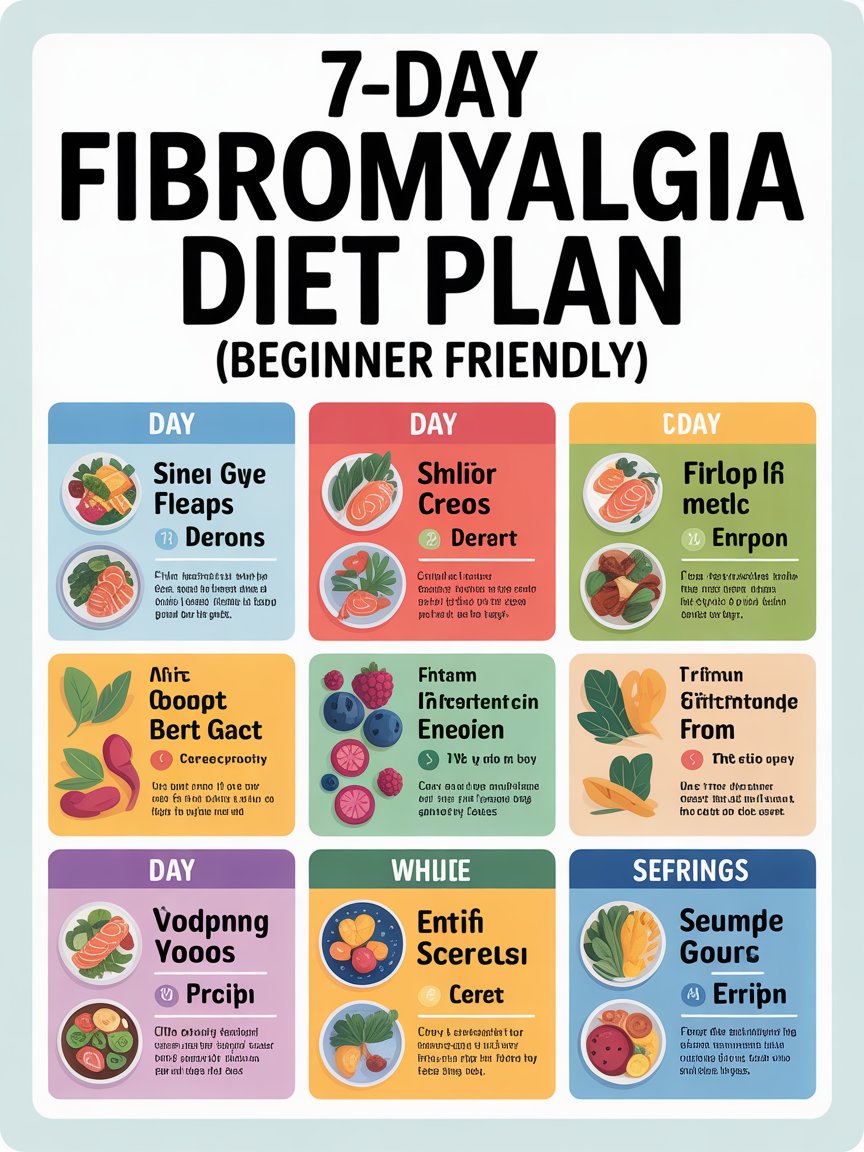
    7-Day Fibromyalgia Diet Plan (Beginner Friendly)

    1. Why Diet Matters for Fibromyalgia

    Diet plays an important role in managing fibromyalgia symptoms such as fatigue, muscle pain, and brain fog. While food cannot cure the condition, certain nutrients may help reduce inflammation and improve energy levels. A balanced diet with whole foods can support muscle health, digestion, and overall well-being. Following a simple meal plan can make healthy eating easier and more consistent.

    2. General Guidelines for the Diet Plan

    Before starting the meal plan, it is helpful to follow a few basic guidelines. Focus on whole foods such as fruits, vegetables, whole grains, lean proteins, and healthy fats. Try to avoid highly processed foods, excessive sugar, and artificial additives. Drink enough water throughout the day and aim for balanced meals that include protein, fiber, and healthy fats.

    3. Day 1 – Balanced Energy Start

    Breakfast: Oatmeal with berries and a handful of almonds.
    Lunch: Grilled chicken salad with mixed greens, tomatoes, cucumber, and olive oil dressing.
    Dinner: Baked salmon with steamed broccoli and brown rice.
    Snack: Apple slices with peanut butter.

    4. Day 2 – Anti-Inflammatory Choices

    Breakfast: Greek yogurt with chia seeds and sliced strawberries.
    Lunch: Quinoa bowl with roasted vegetables and chickpeas.
    Dinner: Grilled fish with sweet potato and sautéed spinach.
    Snack: A small handful of walnuts.

    5. Day 3 – High-Fiber Support

    Breakfast: Whole-grain toast with avocado and a boiled egg.
    Lunch: Lentil soup with a side salad.
    Dinner: Baked chicken with roasted carrots and quinoa.
    Snack: Fresh orange or seasonal fruit.

    6. Day 4 – Nutrient-Rich Variety

    Breakfast: Smoothie with banana, spinach, almond milk, and flaxseeds.
    Lunch: Turkey and vegetable wrap using whole-grain tortilla.
    Dinner: Stir-fried tofu with mixed vegetables and brown rice.
    Snack: Yogurt with a few berries.

    7. Day 5 – Healthy Protein Focus

    Breakfast: Scrambled eggs with tomatoes and whole-grain toast.
    Lunch: Chickpea and vegetable salad with olive oil and lemon.
    Dinner: Grilled salmon with quinoa and steamed green beans.
    Snack: Handful of almonds or pistachios.

    8. Day 6 – Light and Energizing Meals

    Breakfast: Overnight oats with chia seeds and blueberries.
    Lunch: Vegetable soup with whole-grain bread.
    Dinner: Baked chicken with roasted sweet potatoes and broccoli.
    Snack: Sliced cucumber and hummus.

    9. Day 7 – Balanced Weekend Meal Plan

    Breakfast: Greek yogurt with granola and fresh fruit.
    Lunch: Brown rice bowl with grilled vegetables and beans.
    Dinner: Baked fish with sautéed spinach and quinoa.
    Snack: Banana with peanut butter.

    10. Importance of Healthy Snacks

    Healthy snacks can help maintain stable energy levels and prevent fatigue. Choose snacks that combine protein and fiber, such as nuts, yogurt, fruit with nut butter, or hummus with vegetables. These snacks provide long-lasting energy and prevent blood sugar spikes.

    11. Hydration Throughout the Week

    Drinking enough water is essential for muscle health and reducing fatigue. Dehydration can worsen headaches and tiredness. Aim for several glasses of water throughout the day. Herbal teas can also be a relaxing and healthy option.

    12. Adjusting the Diet to Personal Needs

    Every person with fibromyalgia may react differently to certain foods. Some people notice improvement when reducing gluten, dairy, or processed foods. Keeping a food journal can help identify foods that trigger symptoms or improve energy levels.

    13. Simple Cooking Methods for Better Health

    Healthy cooking methods can help preserve nutrients and reduce inflammation. Baking, steaming, grilling, and sautéing with olive oil are good options. Avoid deep-frying or cooking with excessive oil.

    14. Consistency Is More Important Than Perfection

    Following a healthy diet does not require perfection. The goal is to gradually build healthier eating habits over time. Small improvements in food choices can lead to better energy levels and fewer flare-ups.

    15. Building Long-Term Healthy Eating Habits

    A beginner-friendly fibromyalgia diet focuses on balance, simplicity, and consistency. Over time, this approach can support better symptom management and overall health. By choosing nutritious foods daily and listening to your body, you can create a sustainable eating routine that supports fibromyalgia relief.

  • Anti-Inflammatory Foods for Fibromyalgia

    Anti-Inflammatory Foods for Fibromyalgia

    Anti-Inflammatory Foods for Fibromyalgia

    1. Why Anti-Inflammatory Foods Matter

    Fibromyalgia is a chronic condition that causes widespread pain, fatigue, and sensitivity throughout the body. Although the exact cause is not fully understood, inflammation and heightened pain signals may play a role in symptom severity. Eating anti-inflammatory foods can help support the body, improve energy levels, and reduce discomfort. A balanced diet rich in natural, whole foods may help people with fibromyalgia manage symptoms more effectively.

    2. Fatty Fish Rich in Omega-3

    Fatty fish such as salmon, sardines, and mackerel are well known for their high omega-3 fatty acid content. Omega-3 fats help reduce inflammation in the body and support joint and muscle health. Including these fish in meals a few times each week may help reduce stiffness and pain. They also provide high-quality protein that supports muscle repair.

    3. Colorful Berries

    Berries like blueberries, strawberries, and raspberries are packed with antioxidants. Antioxidants help protect the body from oxidative stress and inflammation. These fruits also contain fiber and vitamins that support overall health. Adding berries to breakfast or snacks is an easy way to include anti-inflammatory nutrients in your diet.

    4. Leafy Green Vegetables

    Leafy greens such as spinach, kale, and Swiss chard contain vitamins, minerals, and plant compounds that help fight inflammation. They are also rich in magnesium, which supports muscle and nerve function. Regular consumption of leafy greens can contribute to improved energy and reduced muscle discomfort.

    5. Nuts and Seeds

    Nuts and seeds like almonds, walnuts, chia seeds, and flaxseeds are excellent sources of healthy fats, fiber, and antioxidants. They provide omega-3 fatty acids that may help reduce inflammation and improve heart health. These foods also offer sustained energy throughout the day. Eating a small handful as a snack can support overall wellness.

    6. Olive Oil as a Healthy Fat

    Extra virgin olive oil is widely known for its anti-inflammatory properties. It contains powerful antioxidants and healthy monounsaturated fats. Replacing butter or processed oils with olive oil may help reduce inflammation in the body. It can be used for cooking, salad dressings, or drizzling over vegetables.

    7. Turmeric and Other Healing Spices

    Certain spices have strong anti-inflammatory properties. Turmeric, ginger, cinnamon, and garlic are commonly used for their natural healing effects. Turmeric contains a compound called curcumin, which may help reduce inflammation and pain. Adding these spices to meals can enhance flavor while supporting health.

    8. Whole Grains for Steady Energy

    Whole grains such as oats, brown rice, and quinoa provide fiber and nutrients that help regulate blood sugar levels. Stable blood sugar helps prevent energy crashes that may worsen fatigue. Whole grains also support digestion and long-lasting energy.

    9. Avocados for Healthy Nutrients

    Avocados are rich in healthy fats, fiber, and potassium. These nutrients support heart health and reduce inflammation in the body. Avocados can also help maintain steady energy levels throughout the day. Adding slices to salads or sandwiches provides both nutrition and flavor.

    10. Green Tea and Herbal Teas

    Green tea contains antioxidants known as polyphenols that help reduce inflammation. Herbal teas such as chamomile or ginger tea can also support relaxation and digestion. Drinking tea regularly may provide mild anti-inflammatory benefits and improve overall wellness.

    11. Legumes for Plant-Based Protein

    Beans, lentils, and chickpeas are excellent sources of plant-based protein and fiber. These foods support muscle health and digestion while helping control blood sugar levels. Legumes also contain antioxidants that may help reduce inflammation.

    12. Tomatoes and Other Bright Vegetables

    Tomatoes are rich in lycopene, an antioxidant that helps reduce inflammation. Other colorful vegetables like carrots, bell peppers, and sweet potatoes provide similar benefits. These vegetables offer vitamins that support immune health and reduce oxidative stress.

    13. Dark Chocolate in Moderation

    Dark chocolate with high cocoa content contains antioxidants called flavonoids. These compounds may help reduce inflammation and support heart health. Consuming small amounts of dark chocolate can provide benefits without excessive sugar intake.

    14. Combining Anti-Inflammatory Foods Daily

    The most effective approach is to combine several anti-inflammatory foods throughout the day. Meals that include vegetables, whole grains, healthy fats, and lean protein support overall health. Consistency is more important than occasional healthy meals.

    15. Creating a Balanced Fibromyalgia-Friendly Diet

    A diet focused on anti-inflammatory foods can support pain management and energy levels. Everyone’s body responds differently, so it is important to observe how specific foods affect your symptoms. Gradually building a balanced, nutrient-rich diet may improve overall well-being for people living with fibromyalgia.

  • Foods That Make Fibromyalgia Worse

    Foods That Make Fibromyalgia Worse

    Foods That Make Fibromyalgia Worse

    1. How Diet Can Affect Fibromyalgia Symptoms

    For people living with fibromyalgia, diet can play an important role in symptom management. Certain foods may increase inflammation, worsen fatigue, or trigger pain flare-ups. While triggers can vary from person to person, many individuals notice that some foods make their symptoms worse. Identifying and limiting these foods can help improve daily comfort and energy levels.

    2. Processed Foods and Packaged Snacks

    Highly processed foods such as chips, packaged snacks, and ready-made meals often contain preservatives, artificial ingredients, and excess salt. These ingredients may increase inflammation and worsen fatigue. Processed foods also tend to lack important nutrients needed for muscle and nerve health. Reducing processed food intake may help decrease fibromyalgia symptoms.

    3. Excess Sugar and Sugary Drinks

    Foods high in sugar, including candies, desserts, and sugary drinks, can cause spikes and crashes in blood sugar levels. These fluctuations may increase fatigue and worsen mood changes. High sugar intake may also contribute to inflammation in the body. Limiting sugary foods can help maintain stable energy levels.

    4. Artificial Sweeteners

    Artificial sweeteners found in diet sodas and sugar-free products may trigger symptoms in some people with fibromyalgia. Certain sweeteners can affect the nervous system and potentially increase pain sensitivity. While research is still ongoing, many patients report symptom improvement after reducing artificial sweeteners.

    5. Refined Carbohydrates

    Refined carbohydrates such as white bread, pastries, and processed cereals are quickly digested and can lead to rapid blood sugar changes. These fluctuations may increase fatigue and reduce energy throughout the day. Choosing whole grains instead of refined carbs may support better energy balance.

    6. Fried and Greasy Foods

    Fried foods and greasy meals often contain unhealthy fats that can promote inflammation. These foods may also be harder to digest and lead to sluggishness or digestive discomfort. Reducing fried foods and choosing healthier cooking methods like baking or steaming may help manage symptoms.

    7. Caffeine Overconsumption

    While small amounts of caffeine may increase alertness, too much caffeine can interfere with sleep. Poor sleep is a major issue for people with fibromyalgia and can worsen pain and fatigue. Excess caffeine from coffee, energy drinks, or soda may also increase anxiety and restlessness.

    8. Alcohol

    Alcohol can disrupt sleep patterns and increase fatigue, which are already common issues in fibromyalgia. It may also interact with medications used to treat fibromyalgia symptoms. Some individuals find that alcohol increases muscle pain or headaches.

    9. High-Sodium Foods

    Foods high in salt, such as processed meats, canned soups, and fast food, may contribute to water retention and bloating. High sodium intake may also affect blood pressure and overall health. Reducing sodium may support better physical comfort and wellness.

    10. Foods with Artificial Additives

    Artificial colors, preservatives, and flavor enhancers found in many packaged foods may trigger sensitivity in some people. These additives can affect the nervous system and may worsen headaches or fatigue. Choosing natural and minimally processed foods may reduce exposure to these ingredients.

    11. Dairy Sensitivity in Some Individuals

    While dairy products can be nutritious for many people, some individuals with fibromyalgia may experience digestive discomfort after consuming them. Symptoms may include bloating, stomach pain, or fatigue. If dairy seems to worsen symptoms, trying lactose-free or plant-based alternatives may help.

    12. Gluten for Sensitive Individuals

    Some people with fibromyalgia report improvement when reducing or avoiding gluten, a protein found in wheat, barley, and rye. Although gluten does not affect everyone, those with gluten sensitivity may notice less pain and better digestion when limiting it.

    13. Fast Food and Highly Processed Meals

    Fast foods often contain high levels of unhealthy fats, salt, and additives. These ingredients may contribute to inflammation and worsen fatigue. Regular consumption of fast food may also reduce overall nutrient intake.

    14. Identifying Personal Food Triggers

    Not every food affects all people with fibromyalgia in the same way. Keeping a food diary can help identify specific foods that worsen symptoms. Tracking meals and symptoms can reveal patterns and guide better dietary choices.

    15. Building a Fibromyalgia-Friendly Diet

    Avoiding trigger foods while focusing on nutrient-rich options such as fruits, vegetables, whole grains, lean proteins, and healthy fats may help reduce symptoms. A balanced diet supports muscle function, energy levels, and overall well-being. Making gradual dietary changes can lead to long-term improvements in managing fibromyalgia.