Category: Latest

  • Best Supplements for Fibromyalgia Support

    Best Supplements for Fibromyalgia Support

    Best Supplements for Fibromyalgia Support

    Fibromyalgia is a chronic condition characterized by widespread pain, fatigue, sleep disturbances, and cognitive difficulties. While there is no cure, many people explore supplements as part of a comprehensive management plan. Certain vitamins, minerals, and natural compounds may help reduce symptoms and improve overall well-being when used alongside medical care.

    Below is a detailed guide to some of the best supplements that may support people living with fibromyalgia.


    1. Vitamin D for Muscle and Immune Support

    Vitamin D plays a crucial role in bone health, muscle function, and immune regulation. Low vitamin D levels have been linked to increased musculoskeletal pain and fatigue.

    For individuals with fibromyalgia, correcting a deficiency may help reduce pain intensity and improve mood. Always test levels before supplementing, as excessive intake can cause complications.


    2. Magnesium for Muscle Relaxation

    Magnesium is essential for muscle relaxation and nerve function. Some research suggests that magnesium deficiency may contribute to muscle cramps and heightened pain sensitivity.

    Supplementing with magnesium—often in forms like magnesium citrate or glycinate—may help ease muscle stiffness and promote better sleep.


    3. Coenzyme Q10 for Energy Production

    Coenzyme Q10 (CoQ10) is a powerful antioxidant involved in cellular energy production. Since fatigue is a major symptom of fibromyalgia, improving mitochondrial function may offer benefits.

    Some small studies indicate that CoQ10 supplementation may reduce fatigue and pain levels in certain individuals.


    4. Omega-3 Fatty Acids for Inflammation

    Omega-3 fatty acids, commonly found in fish oil, support heart health and help regulate inflammation. Although fibromyalgia is not classified as an inflammatory condition, inflammation may still contribute to discomfort.

    Omega-3 supplements may help improve mood and reduce joint stiffness.


    5. B-Complex Vitamins for Nerve Health

    B vitamins, especially B12 and B6, are essential for nerve function and energy metabolism. Deficiencies can worsen fatigue and neurological symptoms.

    A balanced B-complex supplement may support cognitive clarity and reduce symptoms like brain fog.


    6. Melatonin for Better Sleep

    Sleep disturbances are common in fibromyalgia. Melatonin, a hormone that regulates the sleep-wake cycle, may help improve sleep quality.

    Better sleep can indirectly reduce pain sensitivity and improve daytime energy levels.


    7. 5-HTP for Mood and Pain Regulation

    5-Hydroxytryptophan (5-HTP) is a precursor to serotonin, a neurotransmitter involved in mood and pain perception.

    Some evidence suggests that 5-HTP supplementation may help improve sleep, reduce anxiety, and decrease pain intensity in certain individuals.


    8. SAM-e for Mood and Joint Comfort

    S-adenosyl-L-methionine (SAM-e) supports mood regulation and joint health. It has been studied for both depression and chronic pain conditions.

    Some people with fibromyalgia report improvements in pain and morning stiffness with SAM-e supplementation.


    9. Acetyl-L-Carnitine for Energy and Nerve Function

    Acetyl-L-carnitine supports mitochondrial energy production and nerve health. Because fibromyalgia often involves fatigue and nerve-related discomfort, this supplement may provide supportive benefits.

    Some studies suggest improvements in fatigue and cognitive function with its use.


    10. Turmeric (Curcumin) for Natural Pain Relief

    Curcumin, the active compound in turmeric, has antioxidant and anti-inflammatory properties.

    Although fibromyalgia is complex, some individuals find curcumin helpful for reducing general body discomfort and supporting joint mobility.


    11. Iron for Fatigue (If Deficient)

    Iron deficiency can worsen fatigue and weakness. Testing iron levels is important before supplementation.

    If a deficiency is present, correcting it may significantly improve energy and reduce overlapping symptoms.


    12. Zinc for Immune and Nerve Support

    Zinc plays a role in immune health and nerve signaling. Low levels have been observed in some people with chronic pain conditions.

    Supplementing zinc under medical supervision may contribute to improved overall health.


    13. Probiotics for Gut Health

    Gut health may influence inflammation, mood, and immune balance. Some research suggests that people with fibromyalgia may experience digestive disturbances.

    Probiotics may help improve gut function and support mental well-being through the gut-brain connection.


    14. Herbal Adaptogens for Stress Management

    Adaptogenic herbs like ashwagandha and rhodiola may help the body cope with stress.

    Since stress can trigger fibromyalgia flare-ups, supporting stress resilience may indirectly reduce symptom severity.


    15. Important Safety Considerations

    Before starting any supplement, consult a healthcare provider. Supplements can interact with medications or cause side effects.

    A personalized approach is best. Supplements work most effectively when combined with lifestyle strategies such as gentle exercise, balanced nutrition, stress management, and proper sleep.
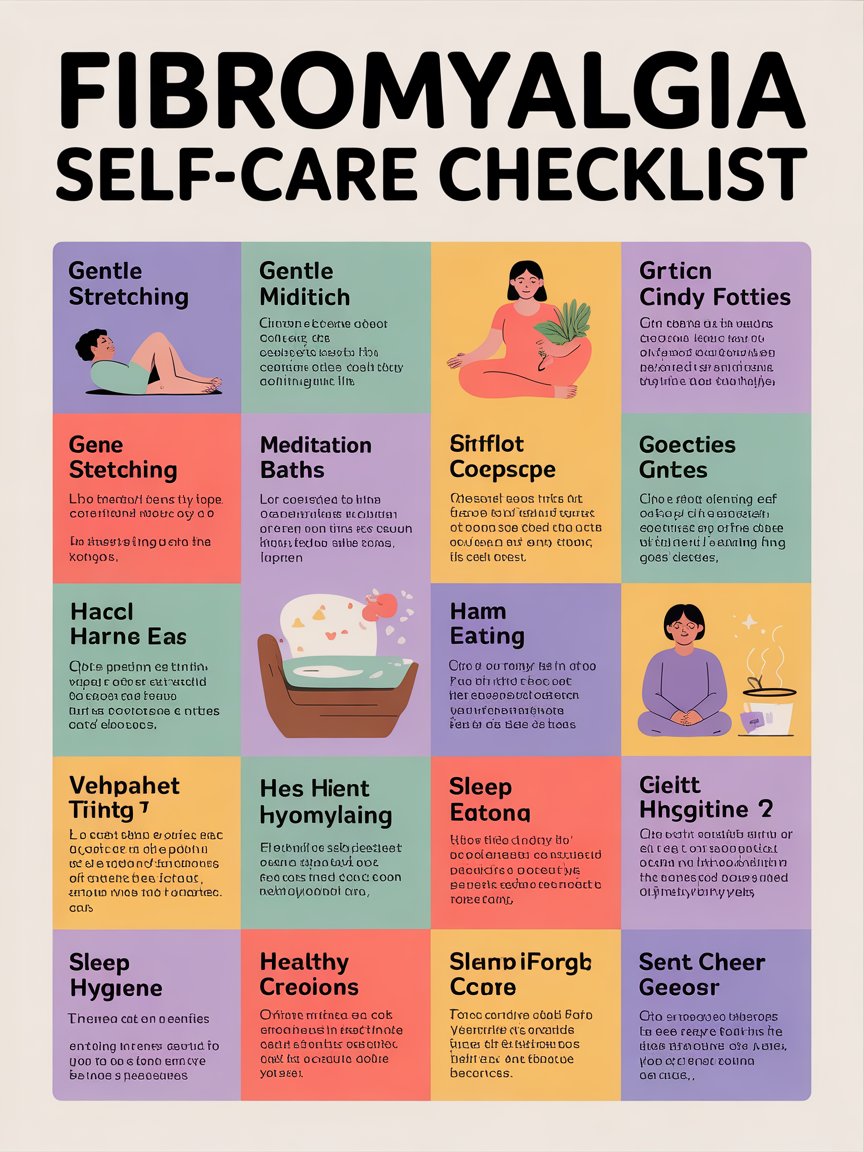

  • Fibromyalgia Self-Care Checklist

    Fibromyalgia Self-Care Checklist

    1. Start Your Day Gently

    Mornings can be especially difficult with fibromyalgia due to stiffness and fatigue. Instead of rushing out of bed, take a few minutes to stretch lightly and breathe deeply. Gentle movements help loosen tight muscles and reduce morning pain.

    Creating a calm morning routine sets the tone for the rest of the day. Small habits such as drinking warm water or doing light stretches can significantly improve mobility and comfort.


    2. Prioritize Quality Sleep

    Sleep problems are common in fibromyalgia, and poor sleep can worsen pain. Establishing a consistent bedtime routine is essential. Go to bed and wake up at the same time each day to regulate your internal clock.

    Limit screen time before bed and create a relaxing sleep environment. Dark, quiet, and cool bedrooms promote deeper and more restorative sleep.


    3. Practice Daily Gentle Exercise

    Low-impact activities like walking, swimming, or yoga can reduce stiffness and improve mood. Exercise helps release endorphins, which are natural pain relievers.

    Start slowly and increase intensity gradually. Overexertion may trigger flare-ups, so pacing yourself is key to staying consistent.


    4. Manage Stress Effectively

    Stress can intensify fibromyalgia symptoms. Incorporate stress-reduction techniques such as deep breathing, meditation, or mindfulness practices into your daily routine.

    Even short breaks throughout the day to relax your mind can reduce tension and prevent symptom flare-ups.


    5. Eat a Balanced Diet

    While no specific diet cures fibromyalgia, eating nutritious foods supports overall health. Focus on whole foods like fruits, vegetables, lean proteins, and whole grains.

    Stay hydrated and limit processed foods, sugar, and caffeine if they worsen your symptoms.


    6. Pace Your Activities

    One of the most important self-care strategies is pacing. Avoid the “push and crash” cycle by breaking tasks into smaller steps.

    Alternate periods of activity with rest. Listening to your body helps prevent overexertion and long-lasting fatigue.


    7. Track Your Symptoms

    Keeping a journal of your symptoms can help identify triggers. Record your pain levels, sleep quality, stress levels, and activities.

    Over time, patterns may emerge that allow you to adjust your routine and avoid certain triggers.


    8. Stay Connected with Healthcare Providers

    Regular check-ins with your doctor are important for managing fibromyalgia. Discuss any changes in symptoms or new concerns.

    Medication adjustments, physical therapy, or counseling may be recommended depending on your needs.


    9. Use Heat and Relaxation Therapies

    Heat therapy, such as warm baths or heating pads, can soothe sore muscles. Many people find relief from muscle tension with these simple methods.

    Massage, gentle stretching, or relaxation techniques can also help reduce pain and stiffness.


    10. Support Mental Health

    Fibromyalgia often affects emotional well-being. Anxiety and depression are common and should not be ignored.

    Consider therapy or support groups to talk openly about your experiences. Emotional support is just as important as physical care.


    11. Build a Support Network

    Having understanding friends and family members makes a difference. Educate loved ones about fibromyalgia so they can better support you.

    Online or local support groups can also provide encouragement and shared coping strategies.


    12. Create a Comfortable Environment

    Make your living space as comfortable as possible. Supportive mattresses, ergonomic chairs, and soft lighting can reduce strain and discomfort.

    Small adjustments in your environment can significantly improve daily comfort levels.


    13. Limit Overcommitment

    It’s important to recognize your limits. Saying no to activities that may overwhelm you is part of self-care.

    Plan your week carefully and allow flexibility for rest days when symptoms worsen.


    14. Celebrate Small Wins

    Managing fibromyalgia is challenging, so acknowledge your efforts. Completing daily tasks, sticking to exercise, or maintaining healthy habits are all victories.

    Positive reinforcement encourages consistency and builds resilience over time.


    15. Review and Adjust Your Checklist Regularly

    Your needs may change depending on stress levels, weather, or overall health. Regularly reviewing your self-care checklist ensures it continues to work for you.

    Self-care is not about perfection but about consistency and compassion toward yourself. With a structured approach and mindful habits, living with fibromyalgia becomes more manageable and empowering.

  • Living Well With Fibromyalgia

    Living Well With Fibromyalgia

    Living Well With Fibromyalgia

    1. Understanding Life With Fibromyalgia

    Fibromyalgia is a long-term condition that causes widespread pain, fatigue, sleep problems, and cognitive difficulties. While there is no cure, many people learn to manage symptoms effectively and lead meaningful, fulfilling lives.

    2. Accepting the Diagnosis

    The First Step Toward Balance

    Receiving a fibromyalgia diagnosis can bring relief and uncertainty at the same time. Acceptance does not mean giving up—it means understanding your limits and learning how to work with your body rather than against it.

    3. Prioritizing Energy Management

    The Art of Pacing

    Living well requires pacing daily activities. Breaking tasks into smaller steps and allowing rest between activities helps prevent flares and energy crashes.

    4. Creating a Supportive Morning Routine

    Starting the Day Gently

    Begin mornings with light stretching, deep breathing, or a warm shower to reduce stiffness. A calm start can set a positive tone for the rest of the day.

    5. Improving Sleep Quality

    Rest as a Foundation

    Since poor sleep worsens pain and fatigue, maintaining consistent sleep habits is essential. Aim for regular bedtimes, a comfortable environment, and relaxing pre-sleep rituals.

    6. Nourishing Your Body

    Balanced Nutrition Matters

    Eating whole foods—vegetables, fruits, lean proteins, and healthy fats—supports steady energy and reduces inflammation. Limiting processed foods may also help stabilize symptoms.

    7. Incorporating Gentle Movement

    Staying Active Without Overdoing It

    Light exercises such as walking, yoga, or stretching can improve flexibility and mood. The key is consistency and avoiding high-impact activities that trigger pain.

    8. Managing Stress Effectively

    Protecting Your Nervous System

    Stress can intensify fibromyalgia symptoms. Techniques like mindfulness, journaling, and deep breathing can help calm the nervous system and reduce flare-ups.

    9. Addressing Emotional Health

    Caring for Your Mental Well-Being

    Living with chronic pain can affect mood and self-esteem. Talking to a counselor or joining support groups can provide emotional relief and coping tools.

    10. Building a Strong Support System

    You Don’t Have to Do It Alone

    Family, friends, and support communities can offer understanding and encouragement. Open communication about your needs strengthens relationships and reduces isolation.

    11. Adapting Your Work Life

    Finding Sustainable Balance

    Whether working full-time or part-time, consider reasonable adjustments like flexible schedules or ergonomic support. Protecting your health allows you to stay productive longer.

    12. Tracking Symptoms and Triggers

    Knowledge Is Power

    Keeping a symptom journal can help identify patterns and triggers. This awareness makes it easier to prevent or prepare for flares.

    13. Practicing Self-Compassion

    Letting Go of Guilt

    Resting when needed is not laziness. Living well with fibromyalgia requires patience and kindness toward yourself, especially on difficult days.

    14. Celebrating Small Wins

    Progress Over Perfection

    Recognize daily achievements, no matter how small. Completing tasks, managing stress, or maintaining routines are victories worth celebrating.

    15. Redefining What “Well” Means

    Creating Your Own Version of Wellness

    Living well with fibromyalgia does not mean being symptom-free. It means building a balanced lifestyle that supports your physical, emotional, and mental health. With consistent care and realistic expectations, a fulfilling and empowered life is absolutely possible.

  • Natural Ways to Calm Fibromyalgia Pain

    Natural Ways to Calm Fibromyalgia Pain

    Natural Ways to Calm Fibromyalgia Pain

    1. Understanding Fibromyalgia Pain

    Fibromyalgia is characterized by widespread musculoskeletal pain, fatigue, sleep disturbances, and heightened sensitivity to touch. Because it affects how the nervous system processes pain, symptoms can feel intense and persistent. Many people look for natural methods to complement medical treatment and ease discomfort.

    2. Why Natural Approaches Matter

    Supporting the Body Gently

    Natural pain management strategies focus on calming the nervous system, reducing inflammation, and improving overall well-being. While they may not eliminate pain completely, consistent habits can significantly reduce flare intensity.

    3. Gentle Stretching and Movement

    Loosening Tight Muscles

    Slow, gentle stretching helps improve circulation and reduce stiffness. Activities like light yoga or short walks can keep muscles flexible without overexerting the body.

    4. Warm Therapy for Muscle Relaxation

    Heat as a Comfort Tool

    Warm baths, heating pads, or warm showers can soothe tight muscles and increase blood flow. Heat therapy is especially helpful during cold weather or flare-ups.

    5. Deep Breathing and Relaxation

    Calming the Nervous System

    Fibromyalgia involves heightened nervous system sensitivity. Deep breathing exercises, progressive muscle relaxation, and mindfulness meditation can reduce tension and lower pain perception.

    6. Prioritizing Quality Sleep

    Rest as Recovery

    Unrefreshing sleep worsens fibromyalgia pain. Establishing a calming bedtime routine, limiting caffeine, and maintaining consistent sleep hours can improve restorative rest.

    7. Anti-Inflammatory Nutrition

    Fueling the Body Wisely

    A diet rich in vegetables, fruits, whole grains, healthy fats, and lean proteins may help reduce inflammation. Avoiding excessive sugar and processed foods can prevent energy crashes and flare-ups.

    8. Staying Hydrated

    Water and Muscle Function

    Dehydration can increase muscle cramps and headaches. Drinking enough water throughout the day supports muscle function and energy levels.

    9. Gentle Massage Therapy

    Easing Muscle Tension

    Light massage can improve circulation and relieve muscle tightness. Always communicate pressure preferences, as deep pressure may be uncomfortable for some individuals.

    10. Acupuncture and Alternative Therapies

    Exploring Complementary Care

    Some people find relief through acupuncture, which may help regulate pain signals. Always consult a qualified practitioner for safe and personalized care.

    11. Herbal Teas and Natural Soothers

    Warmth From Within

    Herbal teas like chamomile, ginger, or turmeric may provide calming and anti-inflammatory benefits. Warm beverages can also promote relaxation before bedtime.

    12. Stress Management Techniques

    Reducing Emotional Triggers

    Stress is a common flare trigger. Journaling, guided imagery, or spending time in nature can help manage emotional strain and reduce pain intensity.

    13. Pacing Daily Activities

    Preventing Overexertion

    Overdoing activities can worsen pain the next day. Break tasks into smaller steps and allow rest periods to maintain steady energy levels.

    14. Gentle Water Therapy

    Low-Impact Movement

    Warm-water exercises or swimming can reduce joint pressure while improving flexibility. Water supports the body, making movement less painful.

    15. Consistency Over Quick Fixes

    Building Sustainable Habits

    Natural pain management works best when practiced consistently. Small daily habits—stretching, restful sleep, balanced nutrition, and stress reduction—can gradually calm fibromyalgia pain and improve quality of life.

  • Fibromyalgia and Memory Problems

    Fibromyalgia and Memory Problems

    1. Understanding Memory Issues in Fibromyalgia

    Fibromyalgia is widely known for chronic pain and fatigue, but many people also experience memory problems. These cognitive challenges are often referred to as “fibro fog,” and they can be just as frustrating as physical symptoms.

    2. What Is “Fibro Fog”?

    A Common Cognitive Symptom

    “Fibro fog” describes the mental cloudiness that affects thinking, focus, and recall. It may feel like your brain is moving slower than usual or struggling to process information clearly.

    3. Short-Term Memory Difficulties

    Forgetting Everyday Details

    People with fibromyalgia may forget appointments, misplace items, or struggle to recall recent conversations. These short-term memory lapses can disrupt daily routines.

    4. Trouble Concentrating

    Difficulty Staying Focused

    Sustained attention can become challenging. Reading, following instructions, or completing detailed tasks may require extra effort and time.

    5. Word-Finding Problems

    Losing the Right Words

    One common complaint is difficulty finding the right word during conversations. This can lead to pauses, frustration, or embarrassment in social or professional settings.

    6. Slower Information Processing

    Taking Longer to Think

    Some individuals notice it takes more time to understand or respond to questions. This slower processing speed can make multitasking especially difficult.

    7. How Pain Impacts Memory

    The Brain’s Limited Resources

    Chronic pain demands constant attention from the nervous system. When the brain focuses on managing pain signals, fewer mental resources are available for memory and concentration.

    8. The Role of Sleep Disturbances

    Poor Rest, Poor Recall

    Unrefreshing sleep is a hallmark of fibromyalgia. Since memory consolidation happens during deep sleep, disrupted rest can worsen forgetfulness and mental fog.

    9. Fatigue and Mental Clarity

    Exhaustion Affects Thinking

    Severe fatigue can slow cognitive performance. When energy levels are low, the brain may struggle to maintain focus and recall information accurately.

    10. Stress and Emotional Factors

    Anxiety’s Impact on Memory

    Stress and anxiety can intensify memory problems. When the body is in a heightened stress state, concentration and recall often suffer.

    11. Hormonal and Neurochemical Influences

    Brain Chemistry Changes

    Fibromyalgia is associated with altered neurotransmitter activity, including serotonin and norepinephrine. These chemicals influence both mood and cognitive function.

    12. Strategies to Improve Memory

    Practical Daily Tools

    Using planners, reminder apps, sticky notes, and alarms can reduce reliance on memory alone. Writing tasks down helps compensate for cognitive gaps.

    13. Brain-Friendly Habits

    Supporting Mental Health

    Regular sleep schedules, balanced nutrition, gentle exercise, and stress reduction techniques may gradually improve mental clarity.

    14. Communicating About Cognitive Symptoms

    Reducing Misunderstanding

    Explaining fibro fog to family or coworkers can reduce frustration. Letting others know you may need reminders or extra time fosters patience and support.

    15. Finding Confidence Despite Challenges

    You Are Not Losing Your Intelligence

    Memory problems in fibromyalgia are frustrating but do not reflect a loss of intelligence. With coping strategies and supportive care, many people learn to manage cognitive symptoms effectively and maintain productive, fulfilling lives.

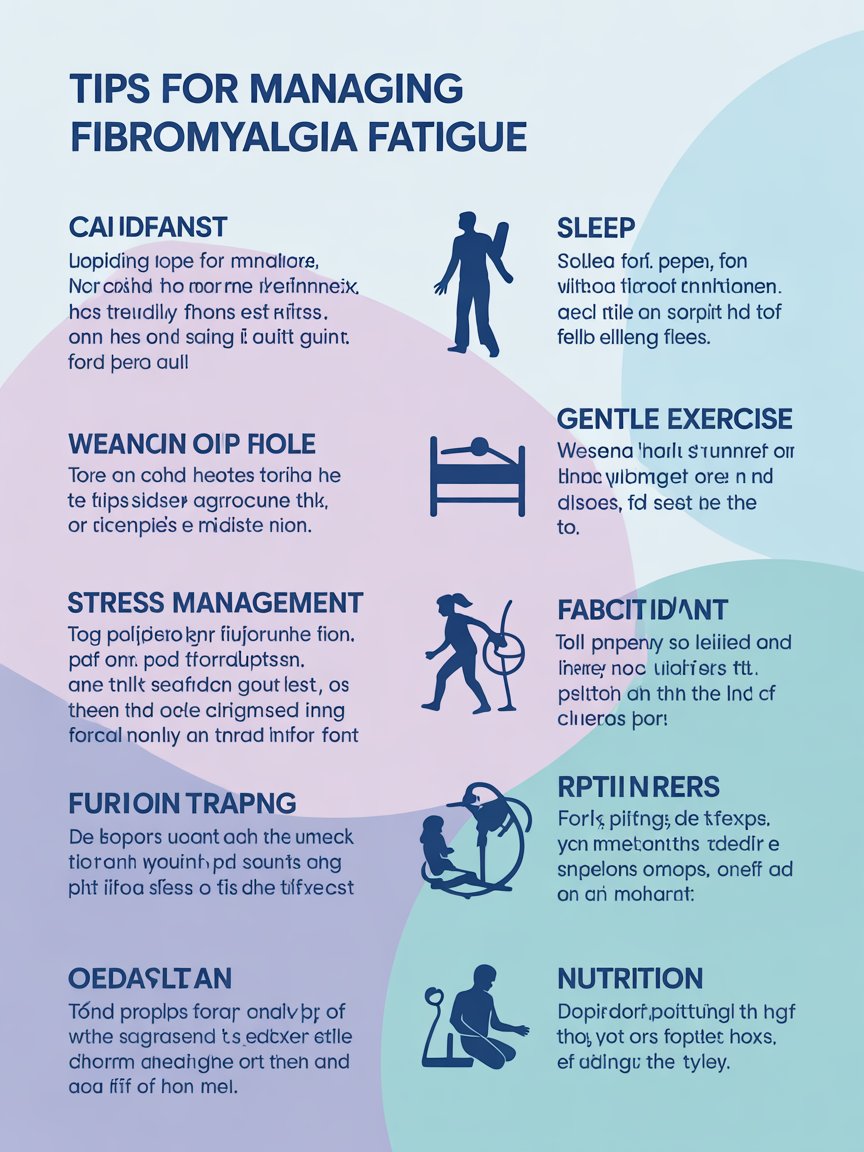
  • Tips for Managing Fibromyalgia Fatigue

    Tips for Managing Fibromyalgia Fatigue

    Tips for Managing Fibromyalgia Fatigue

    1. Understanding Fibromyalgia Fatigue

    Fibromyalgia is not only about widespread pain—it also brings deep, persistent fatigue. This exhaustion often feels overwhelming and does not improve with regular rest, making daily tasks challenging.

    2. Why Fatigue Feels So Intense

    More Than Normal Tiredness

    Fibromyalgia fatigue is different from everyday tiredness. It can feel like your body is weighed down, your muscles are weak, and your mind is foggy, even after a full night in bed.

    3. Prioritize Quality Sleep

    Create a Restful Routine

    Since poor sleep worsens fatigue, focus on improving sleep hygiene. Go to bed and wake up at consistent times, limit screen use before bed, and create a quiet, dark sleeping environment.

    4. Pace Your Activities

    Avoid Energy Crashes

    Instead of pushing through tasks, break them into smaller steps. Take short breaks between activities to prevent overexertion that can trigger next-day exhaustion.

    5. Follow the “Energy Envelope” Rule

    Work Within Your Limits

    Try to stay within your daily energy limits rather than exceeding them. Learning your body’s signals helps prevent severe fatigue flares.

    6. Incorporate Gentle Movement

    Light Exercise Boosts Energy

    Although it may seem counterintuitive, gentle activities like walking, stretching, or yoga can improve circulation and reduce fatigue over time when done consistently.

    7. Eat for Steady Energy

    Balanced Nutrition Matters

    Choose balanced meals with protein, healthy fats, and complex carbohydrates. Avoid excessive sugar, which can cause energy spikes followed by crashes.

    8. Stay Hydrated

    Water Supports Energy Levels

    Dehydration can worsen fatigue and headaches. Drinking enough water throughout the day supports overall body function and stamina.

    9. Manage Stress Effectively

    Protect Your Nervous System

    Stress can intensify both pain and exhaustion. Practice relaxation techniques such as deep breathing, meditation, or quiet breaks during the day.

    10. Reduce Mental Overload

    Simplify Where Possible

    Brain fog often accompanies fatigue. Use planners, reminders, and to-do lists to stay organized and reduce mental strain.

    11. Take Short, Strategic Naps

    Rest Without Overdoing It

    If needed, keep naps brief—around 20–30 minutes—to refresh your body without interfering with nighttime sleep.

    12. Check for Nutrient Deficiencies

    Rule Out Underlying Causes

    Low levels of vitamin D, iron, or B vitamins can worsen fatigue. Consult a healthcare provider for testing if exhaustion feels extreme or persistent.

    13. Create a Supportive Routine

    Structure Reduces Stress

    Establishing a predictable daily routine helps conserve energy. Consistency in meals, activity, and sleep can stabilize fatigue patterns.

    14. Listen to Your Body Without Guilt

    Rest Is Not Laziness

    Allow yourself to rest when needed. Managing fibromyalgia fatigue requires self-compassion and understanding that recovery time is essential.

    15. Small Steps Lead to Sustainable Energy

    Progress Over Perfection

    Managing fibromyalgia fatigue is about gradual improvement, not instant results. By combining pacing, proper rest, balanced nutrition, and stress management, you can build a lifestyle that supports steadier energy over time.

  • Fibromyalgia and Hormones Explained

    Fibromyalgia and Hormones Explained

    Fibromyalgia and Hormones Explained

    1. Understanding the Hormone–Pain Connection

    Fibromyalgia is a condition known for widespread pain, fatigue, sleep problems, and cognitive difficulties. Many people notice that their symptoms change during hormonal shifts, suggesting a strong connection between hormones and pain sensitivity.

    2. What Are Hormones and Why Do They Matter?

    The Body’s Chemical Messengers

    Hormones are chemical messengers that regulate mood, sleep, metabolism, stress, and pain perception. When hormone levels fluctuate, they can influence how the nervous system processes discomfort.

    3. Estrogen and Pain Sensitivity

    A Key Female Hormone

    Estrogen plays a role in regulating pain signals in the brain. Lower estrogen levels may increase pain sensitivity, which could explain why fibromyalgia symptoms sometimes worsen during certain times of the menstrual cycle or menopause.

    4. Progesterone and Relaxation

    Supporting Calm and Sleep

    Progesterone helps promote relaxation and restful sleep. When progesterone levels drop, sleep disturbances may worsen, indirectly increasing pain and fatigue.

    5. Menstrual Cycle and Symptom Changes

    Monthly Fluctuations

    Some individuals report stronger fibromyalgia symptoms before or during menstruation. Hormonal shifts during this phase may intensify inflammation, headaches, and overall sensitivity.

    6. Pregnancy and Fibromyalgia

    Symptoms May Shift

    During pregnancy, hormone levels rise significantly. Some women report temporary symptom relief, while others notice increased discomfort. Experiences vary widely depending on individual hormone responses.

    7. Menopause and Increased Pain

    The Impact of Estrogen Decline

    Menopause brings a natural decline in estrogen levels. For some, this transition is associated with increased joint pain, sleep problems, and fatigue, which can overlap with fibromyalgia symptoms.

    8. Stress Hormones and Flares

    Cortisol’s Role

    Cortisol, often called the stress hormone, helps regulate inflammation and energy. Imbalances in cortisol levels may contribute to fatigue and heightened pain during stressful periods.

    9. Thyroid Hormones and Energy

    Overlapping Symptoms

    Thyroid hormone imbalances can cause fatigue, muscle aches, and mood changes—symptoms similar to fibromyalgia. Proper thyroid testing helps rule out or address related conditions.

    10. Serotonin and Mood Regulation

    Shared Pathways

    Serotonin influences both mood and pain processing. Altered serotonin levels may contribute to both fibromyalgia pain and coexisting mood disorders.

    11. Sleep Hormones and Restorative Sleep

    Melatonin and Recovery

    Melatonin regulates sleep cycles. Poor melatonin balance may lead to unrefreshing sleep, which is a major factor in worsening fibromyalgia symptoms.

    12. Why Women Are More Affected

    Hormonal Complexity

    Fibromyalgia is diagnosed more often in women, possibly due to complex hormonal fluctuations throughout life. Hormones may influence how pain signals are amplified in the nervous system.

    13. Managing Hormonal Triggers

    Tracking and Awareness

    Keeping track of symptom patterns alongside menstrual cycles or life transitions can help identify hormone-related triggers. Awareness supports better symptom planning.

    14. Treatment Approaches

    A Comprehensive Strategy

    Treatment may include lifestyle adjustments, stress management, sleep support, and in some cases hormonal evaluation. Working with a healthcare provider ensures a personalized approach.

    15. Finding Balance and Stability

    Empowerment Through Understanding

    Hormones play a meaningful role in how fibromyalgia symptoms are experienced. While fluctuations cannot always be controlled, understanding their influence empowers individuals to manage symptoms more effectively and seek targeted support when needed.

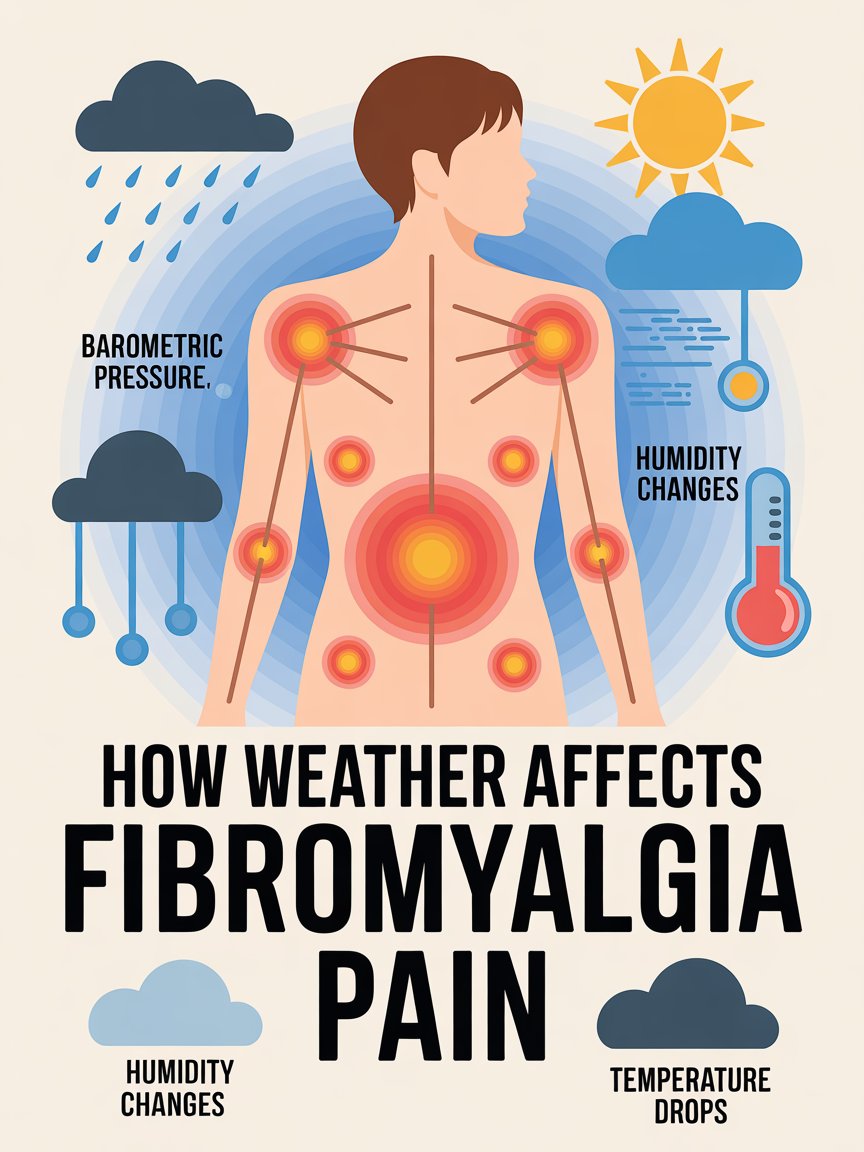
  • How Weather Affects Fibromyalgia Pain

    How Weather Affects Fibromyalgia Pain

    How Weather Affects Fibromyalgia Pain

    1. Understanding the Weather–Pain Connection

    Many people living with Fibromyalgia report that their symptoms change with the weather. While research is still ongoing, shifts in temperature, humidity, and air pressure appear to influence pain levels in some individuals.

    2. Why the Body Reacts to Weather Changes

    A Sensitive Nervous System

    Fibromyalgia affects how the central nervous system processes pain. Because of this heightened sensitivity, environmental changes—like cold air or storms—may feel more intense and uncomfortable.

    3. Cold Weather and Increased Stiffness

    Muscles Tighten in Low Temperatures

    Cold temperatures can cause muscles to contract and joints to stiffen. For people with fibromyalgia, this may lead to increased aches, reduced flexibility, and morning stiffness.

    4. Humidity and Joint Discomfort

    The Dampness Factor

    High humidity can make the air feel heavy and uncomfortable. Some individuals report more swelling sensations, fatigue, and deep muscle pain during damp weather conditions.

    5. Barometric Pressure Changes

    Storms and Pain Flares

    Drops in barometric pressure, often before rain or storms, may trigger pain flares. These pressure shifts can affect tissues and joints, potentially increasing sensitivity and discomfort.

    6. Heat and Fatigue

    When High Temperatures Drain Energy

    Hot weather can worsen fatigue and dehydration. Excessive heat may leave individuals feeling weak, dizzy, or more sensitive to pain.

    7. Seasonal Transitions

    Adjusting to Sudden Changes

    Moving from one season to another—such as summer to fall—can be challenging. Rapid temperature shifts may trigger temporary increases in pain and fatigue.

    8. The Role of Sunlight and Mood

    Light Exposure and Emotional Well-Being

    Reduced sunlight during winter months can influence mood and energy levels. Since mood and pain are closely connected, seasonal changes may indirectly worsen fibromyalgia symptoms.

    9. Wind and Air Pressure Sensitivity

    Subtle Environmental Triggers

    Some people report that strong winds or sudden atmospheric changes increase headaches and body aches. These triggers can be subtle but noticeable for those with heightened sensitivity.

    10. Why Not Everyone Is Affected

    Individual Differences Matter

    Not all people with fibromyalgia experience weather-related pain changes. Sensitivity varies from person to person, and some may notice only mild or occasional effects.

    11. Tracking Weather Patterns

    Identifying Personal Triggers

    Keeping a symptom journal alongside weather changes can help identify patterns. Over time, this awareness allows for better planning and preventive care.

    12. Managing Cold-Weather Flares

    Staying Warm and Flexible

    Layered clothing, warm baths, heating pads, and gentle stretching can help reduce stiffness during colder months. Keeping the body warm supports muscle relaxation.

    13. Coping With Heat Sensitivity

    Staying Cool and Hydrated

    During hot weather, drink plenty of water, rest in air-conditioned spaces, and avoid overexertion. Cooling strategies can help prevent fatigue-related flares.

    14. Stress and Weather Anxiety

    Anticipating Storm-Related Pain

    If storms or seasonal changes consistently trigger flares, stress about upcoming weather can increase tension. Relaxation techniques may help reduce anticipatory anxiety.

    15. Adapting to Weather With Self-Compassion

    Flexibility Is Key

    Weather is beyond anyone’s control, but preparation can make it easier to manage. By understanding personal triggers and adjusting routines accordingly, individuals with fibromyalgia can reduce discomfort and maintain better symptom balance throughout the year.

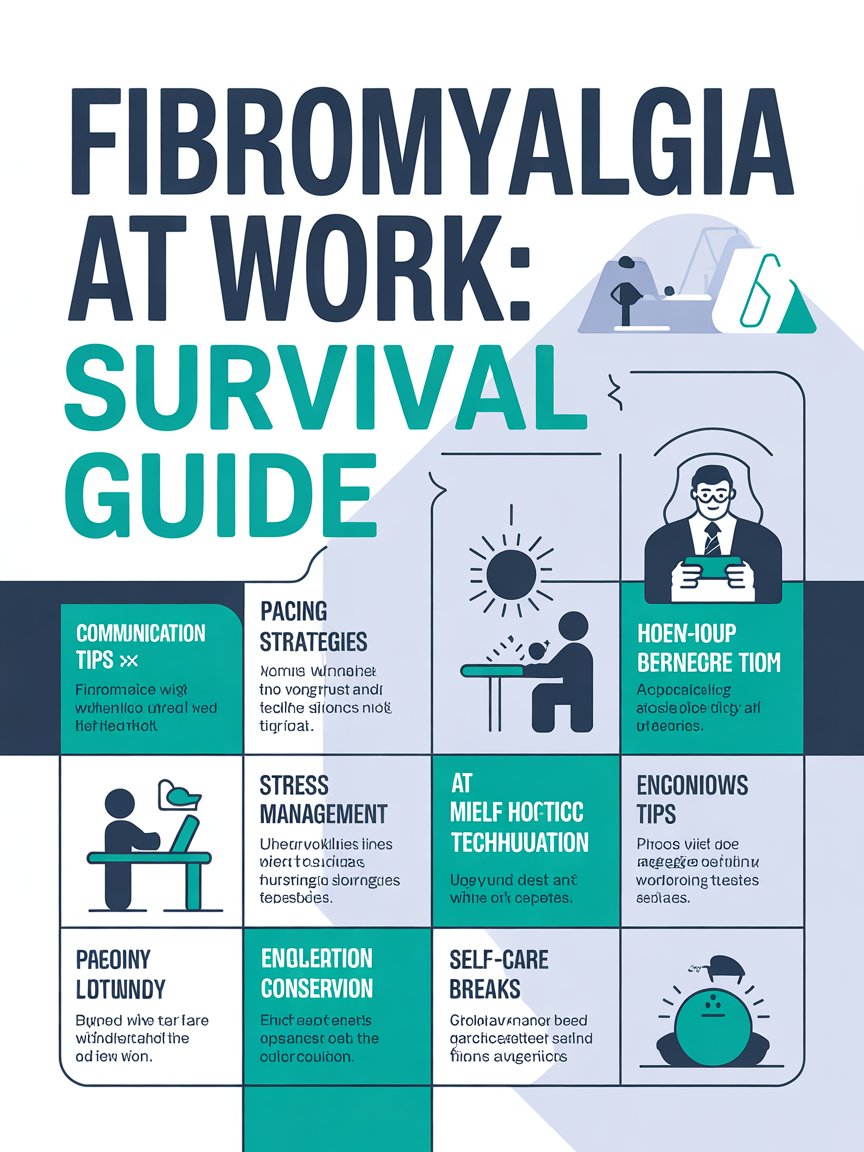
  • Fibromyalgia at Work: Survival Guide

    Fibromyalgia at Work: Survival Guide

    Fibromyalgia at Work: Survival Guide

    1. Navigating the Workplace With Fibromyalgia

    Living with Fibromyalgia while maintaining a job can feel overwhelming. Chronic pain, fatigue, and brain fog may affect productivity and confidence. However, with the right strategies, many people successfully balance work responsibilities and symptom management.

    2. Understanding Your Work Triggers

    Identifying What Worsens Symptoms

    Pay attention to patterns. Long hours, stress, lack of breaks, or physical strain may trigger flares. Recognizing these triggers allows you to make small adjustments before symptoms escalate.

    3. Prioritize Energy Management

    The Power of Pacing

    Instead of pushing through exhaustion, break tasks into smaller steps. Use the “pace, pause, proceed” method—work for a set time, take a short break, then continue. This helps prevent energy crashes later in the day.

    4. Communicating With Your Employer

    Deciding What to Share

    You are not required to share every detail of your condition, but informing your employer about necessary accommodations can improve your work experience. Focus on practical needs rather than medical explanations.

    5. Requesting Reasonable Adjustments

    Small Changes, Big Difference

    Simple accommodations such as flexible hours, remote work options, ergonomic chairs, or extra short breaks can reduce symptom strain. Many workplaces are open to reasonable adjustments when clearly explained.

    6. Managing Brain Fog at Work

    Staying Organized

    Use planners, digital reminders, sticky notes, or task management apps. Breaking tasks into checklists can help reduce overwhelm and improve focus during mentally foggy days.

    7. Handling Physical Discomfort

    Comfort Strategies

    Keep supportive cushions, heating pads, or wrist supports at your desk if allowed. Gentle stretching during breaks can reduce stiffness and improve circulation.

    8. Taking Smart Breaks

    Short Rest Periods Matter

    Even five-minute breaks to stretch, breathe deeply, or walk slowly can refresh your energy. Regular pauses prevent pain from building up throughout the day.

    9. Managing Stress Levels

    Protecting Your Nervous System

    Work stress can intensify fibromyalgia symptoms. Practice calm breathing, mindfulness, or brief relaxation techniques during stressful moments to reduce tension.

    10. Planning for Flare Days

    Having a Backup Strategy

    Some days will be harder than others. If possible, keep lighter tasks for low-energy days. Communicate early if you need time off or schedule adjustments during a flare.

    11. Maintaining Healthy Work-Life Balance

    Avoiding Burnout

    Avoid overcommitting to extra shifts or responsibilities when already fatigued. Protecting your energy outside of work supports long-term sustainability.

    12. Building a Support System

    Trusted Colleagues

    If comfortable, share limited information with a trusted coworker who can offer support during difficult days. Feeling understood at work can ease emotional strain.

    13. Prioritizing Self-Care After Work

    Recovery Time Is Essential

    After work, allow yourself time to rest and recover. Gentle stretching, warm showers, balanced meals, and adequate sleep can help manage next-day symptoms.

    14. Knowing Your Rights

    Workplace Protections

    Depending on your country, disability protection laws may provide workplace rights and accommodations for chronic conditions. Learning about these protections empowers you to advocate for yourself.

    15. Thriving, Not Just Surviving

    Confidence and Self-Compassion

    Working with fibromyalgia requires flexibility and patience. Celebrate small wins, adjust expectations when needed, and practice self-compassion. With thoughtful planning and supportive adjustments, it is possible to build a fulfilling career while managing your health.

  • Best Stretching Routine for Fibromyalgia

    Best Stretching Routine for Fibromyalgia

    Best Stretching Routine for Fibromyalgia

    1. Why Stretching Matters for Fibromyalgia

    Living with Fibromyalgia often means dealing with muscle stiffness, widespread pain, and limited mobility. Gentle stretching can help reduce tension, improve flexibility, and support better daily movement without overstraining the body.

    2. Benefits of Gentle Stretching

    Reducing Stiffness and Improving Circulation

    Slow, controlled stretches increase blood flow to muscles and may decrease tightness. Improved circulation can help reduce soreness and make movement feel less uncomfortable over time.

    3. Important Safety Guidelines

    Start Slow and Listen to Your Body

    Before beginning any stretching routine, move gently and avoid pushing into sharp pain. Hold stretches for 15–30 seconds and breathe steadily. The goal is comfort, not intensity.

    4. Morning Neck Stretch

    Easing Upper Body Tension

    Gently tilt your head toward one shoulder until you feel a mild stretch along the side of your neck. Hold, then switch sides. This helps relieve tension that builds overnight.

    5. Shoulder Rolls and Arm Circles

    Releasing Upper Back Tightness

    Slow shoulder rolls forward and backward can loosen tight muscles. Gentle arm circles also help improve range of motion and reduce stiffness in the upper body.

    6. Seated Forward Fold

    Stretching the Back and Hamstrings

    While seated, slowly reach toward your toes without forcing the stretch. This can ease lower back tension and improve flexibility in the back of the legs.

    7. Gentle Spinal Twist

    Supporting Back Mobility

    Sit upright and gently rotate your torso to one side, holding briefly before switching. This stretch can improve spinal flexibility and relieve mid-back stiffness.

    8. Hip Flexor Stretch

    Reducing Lower Body Tightness

    From a standing or kneeling position, gently shift one leg back and press hips slightly forward. Tight hip flexors can worsen lower back discomfort, so stretching this area is helpful.

    9. Calf Stretch

    Supporting Leg Comfort

    Stand facing a wall, step one foot back, and press your heel into the floor. This stretch can reduce calf tightness and improve overall leg flexibility.

    10. Gentle Quad Stretch

    Loosening the Front of the Thigh

    While holding onto a chair for balance, bend one knee and gently bring your heel toward your body. Keep the movement soft and controlled.

    11. Wrist and Hand Stretches

    Easing Everyday Strain

    Extend one arm forward and gently pull back on the fingers to stretch the wrist. This can help relieve tension from typing, phone use, or repetitive tasks.

    12. Incorporating Deep Breathing

    Relaxing the Nervous System

    Pair each stretch with slow, deep breathing. This helps calm the nervous system, which is often more sensitive in fibromyalgia, and may reduce overall pain perception.

    13. How Often to Stretch

    Building a Consistent Routine

    Aim to stretch 5–10 minutes daily, especially in the morning or before bed. Consistency matters more than intensity when managing chronic pain.

    14. Combining Stretching With Other Gentle Activities

    Yoga and Warm Water Therapy

    Low-impact activities like gentle yoga or stretching in warm water can enhance flexibility while minimizing strain. Warm environments often help relax tight muscles.

    15. Creating a Personalized Routine

    Progress at Your Own Pace

    Every person with fibromyalgia is different. Adjust stretches based on comfort level and energy. Over time, a gentle stretching habit can improve mobility, reduce stiffness, and support overall well-being.