Blog

  • 10 Simple Recipes for Fibromyalgia

    10 Simple Recipes for Fibromyalgia

    10 Simple Recipes for Fibromyalgia

    Eating well with fibromyalgia doesn’t have to be complicated. Simple, nourishing recipes made with whole, anti-inflammatory ingredients can help reduce pain, improve energy, and support overall well-being. Here are ten easy recipes you can prepare with minimal effort.


    1. Oatmeal with Banana and Chia Seeds

    Start your day with Oats cooked in water or milk.

    Top with Banana and chia seeds for fiber, omega-3s, and steady energy.


    2. Spinach and Egg Scramble

    Sauté Spinach and add Eggs.

    Cook until fluffy for a protein-rich meal that supports muscle health and energy.


    3. Yogurt Berry Bowl

    Mix Yogurt with fresh Blueberries or strawberries.

    This quick meal supports gut health and provides antioxidants.


    4. Lentil and Vegetable Soup

    Simmer Lentils with carrots, garlic, and spices.

    This hearty soup is rich in fiber and helps reduce inflammation.


    5. Grilled Salmon with Vegetables

    Cook Salmon with a side of steamed vegetables.

    It’s packed with omega-3 fatty acids that help ease pain and support brain health.


    6. Brown Rice with Stir-Fried Vegetables

    Serve Brown rice with sautéed vegetables and Garlic.

    This meal provides steady energy and supports digestion.


    7. Avocado Toast

    Mash Avocado on whole grain bread.

    Add a pinch of salt and lemon juice for a quick, anti-inflammatory snack or meal.


    8. Smoothie with Spinach and Banana

    Blend Spinach with Banana and milk.

    This easy smoothie is gentle on digestion and boosts energy.


    9. Baked Sweet Potato with Olive Oil

    Bake a sweet potato and drizzle with Olive oil.

    It’s simple, filling, and supports balanced energy levels.


    10. Chickpea Salad

    Mix chickpeas with vegetables, herbs, and lemon juice.

    This refreshing dish provides plant-based protein and supports digestion.


    Final Thoughts

    Simple recipes can make a big difference when managing fibromyalgia. By focusing on whole, nutrient-dense foods and easy preparation methods, you can reduce stress, support your body, and maintain consistent energy. Small, healthy meals like these can help you feel better day by day.


  • 9 Affordable Anti-Inflammatory Foods

    9 Affordable Anti-Inflammatory Foods

    9 Affordable Anti-Inflammatory Foods

    Eating an anti-inflammatory diet doesn’t have to be expensive. Many everyday, budget-friendly foods are packed with nutrients that help reduce inflammation, support energy, and improve overall well-being—especially for those managing chronic pain or fibromyalgia. Here are nine affordable foods to include in your routine.


    1. Oats

    Oats are inexpensive and rich in fiber.

    They help stabilize blood sugar, support digestion, and provide long-lasting energy.


    2. Bananas

    Banana are a low-cost source of potassium and vitamin B6.

    They support muscle function and help reduce fatigue and discomfort.


    3. Lentils

    Lentils are packed with protein, fiber, and iron.

    They help reduce inflammation, support digestion, and are very budget-friendly.


    4. Spinach (Fresh or Frozen)

    Spinach is rich in antioxidants and magnesium.

    It helps reduce inflammation and supports muscle and nerve health.


    5. Carrots

    Carrot are affordable and nutrient-dense.

    They provide antioxidants that help fight inflammation and support immune health.


    6. Canned Tuna or Sardines

    Tuna and sardines are economical sources of omega-3 fatty acids.

    These healthy fats help reduce inflammation and support heart and brain health.


    7. Apples

    Apple are widely available and easy to store.

    They contain fiber and antioxidants that support digestion and reduce inflammation.


    8. Yogurt

    Yogurt is a cost-effective probiotic food.

    It supports gut health, which plays a key role in controlling inflammation.


    9. Olive Oil

    Olive oil is a healthy fat with anti-inflammatory properties.

    Using it in cooking or salads can help reduce inflammation and support overall wellness.


    Final Thoughts

    You don’t need expensive superfoods to follow an anti-inflammatory diet. Simple, affordable ingredients can provide powerful health benefits when used consistently. By incorporating these foods into your daily meals, you can support your body, reduce pain, and improve your overall quality of life without overspending.

  • 8 Cheap Meals That Help Reduce Pain

    8 Cheap Meals That Help Reduce Pain

    8 Cheap Meals That Help Reduce Pain

    Eating for pain relief doesn’t have to be expensive or complicated. With a few affordable ingredients, you can create simple meals that help reduce inflammation, support energy, and ease chronic pain symptoms like those seen in fibromyalgia. Here are eight budget-friendly meals that are both nourishing and easy to prepare.


    1. Oatmeal with Banana and Seeds

    A warm bowl of Oats topped with Banana and seeds is a comforting start to the day.

    This meal provides fiber, natural energy, and nutrients that support digestion and reduce fatigue.


    2. Lentil Soup with Vegetables

    Lentils cooked with carrots, onions, and spices make a hearty, low-cost soup.

    It’s rich in protein and fiber, helping stabilize energy and reduce inflammation.


    3. Rice and Steamed Vegetables

    A simple bowl of Brown rice with mixed vegetables is both filling and gentle on the body.

    It provides steady energy and supports digestion without being heavy.


    4. Egg and Spinach Scramble

    Eggs cooked with Spinach make a quick and nutritious meal.

    This combination supports muscle health and provides essential vitamins for reducing discomfort.


    5. Tuna Salad with Whole Grain Bread

    Tuna mixed with simple ingredients and served on whole grain bread is affordable and satisfying.

    It delivers omega-3 fatty acids that help fight inflammation.


    6. Vegetable Stir-Fry with Garlic

    A mix of vegetables sautéed with Garlic creates a flavorful, low-cost meal.

    Garlic supports immune health and may help reduce inflammation.


    7. Yogurt with Fruit and Oats

    A bowl of Yogurt topped with fruit and oats is quick and budget-friendly.

    It supports gut health and provides a balance of protein and fiber.


    8. Baked Potatoes with Olive Oil

    Simple baked potatoes topped with a drizzle of Olive oil are filling and inexpensive.

    They provide energy and healthy fats that support overall wellness.


    Final Thoughts

    Affordable meals can still be powerful tools for managing pain and supporting your health. By using simple, whole ingredients, you can create nourishing dishes that help reduce inflammation and improve energy—without stretching your budget. Consistency with these meals can lead to meaningful relief over time.

  • 10 Budget-Friendly Foods for Fibromyalgia Relief

    10 Budget-Friendly Foods for Fibromyalgia Relief

    10 Budget-Friendly Foods for Fibromyalgia Relief

    Managing fibromyalgia doesn’t have to be expensive. Many affordable, everyday foods can help reduce inflammation, support energy levels, and improve overall well-being. With smart choices, you can nourish your body without straining your budget. Here are ten cost-effective foods that support fibromyalgia relief.


    1. Oats

    Oats are inexpensive, filling, and rich in fiber.

    They provide steady energy, support digestion, and help prevent fatigue crashes.


    2. Bananas

    Banana are affordable and widely available.

    They offer potassium and vitamin B6, which support muscle function and reduce fatigue.


    3. Eggs

    Eggs are a budget-friendly source of high-quality protein.

    They help with muscle repair, energy stability, and overall nutrition.


    4. Canned Tuna or Sardines

    Tuna and sardines are cost-effective sources of omega-3 fatty acids.

    They help reduce inflammation and support brain and heart health.


    5. Lentils

    Lentils are rich in protein, fiber, and iron.

    They support energy levels, digestion, and are very affordable for regular use.


    6. Spinach (Fresh or Frozen)

    Spinach is packed with vitamins and minerals.

    Frozen options are often cheaper and last longer while still offering anti-inflammatory benefits.


    7. Brown Rice

    Brown rice is a low-cost whole grain.

    It provides long-lasting energy and supports stable blood sugar levels.


    8. Apples

    Apple are affordable and easy to store.

    They contain fiber and antioxidants that support digestion and overall health.


    9. Yogurt

    Yogurt is a cost-effective probiotic food.

    It supports gut health, which plays a role in reducing inflammation and improving comfort.


    10. Carrots

    Carrot are inexpensive, versatile, and nutrient-rich.

    They provide fiber and antioxidants that support digestion and reduce inflammation.


    Final Thoughts

    Eating for fibromyalgia relief doesn’t require expensive superfoods. Simple, affordable staples can provide the nutrients your body needs to manage pain and fatigue. By planning meals wisely and choosing budget-friendly options, you can support your health without overspending.

  • 7 Foods That Improve Energy and Reduce Pain

    7 Foods That Improve Energy and Reduce Pain

    7 Foods That Improve Energy and Reduce Pain

    Managing fatigue and chronic pain—especially with conditions like fibromyalgia—often starts with what you eat. The right foods can help stabilize energy, reduce inflammation, and support muscle and nerve function. Here are seven powerful foods that can help you feel more energized while easing discomfort.


    1. Fatty Fish

    Salmon is rich in omega-3 fatty acids that help fight inflammation.

    These healthy fats support brain function, reduce joint pain, and improve overall energy levels.


    2. Leafy Greens

    Spinach and similar greens are packed with magnesium and iron.

    They help reduce muscle tension, improve circulation, and support steady energy throughout the day.


    3. Bananas

    Banana are a quick source of natural energy.

    They provide potassium and vitamin B6, which support muscle function and reduce fatigue.


    4. Nuts and Seeds

    Almonds, walnuts, and seeds offer healthy fats, protein, and magnesium.

    They help maintain stable energy levels and may reduce inflammation and muscle discomfort.


    5. Oats

    Oats are a great source of complex carbohydrates.

    They provide slow-releasing energy and support blood sugar balance, preventing fatigue crashes.


    6. Yogurt

    Yogurt contains probiotics and protein.

    It supports gut health, which is closely linked to inflammation and energy regulation.


    7. Berries

    Blueberries are rich in antioxidants that fight oxidative stress.

    They help reduce inflammation and support overall recovery and vitality.


    Final Thoughts

    Improving energy and reducing pain through diet is about choosing foods that nourish your body consistently. By incorporating these nutrient-rich options into your daily routine, you can support better energy levels, reduce inflammation, and feel more balanced throughout the day.

  • 10 Ways to Heal Your Body Through Diet

    10 Ways to Heal Your Body Through Diet

    10 Ways to Heal Your Body Through Diet

    Healing your body through diet is about making consistent, nourishing choices that support your natural balance. The foods you eat can influence inflammation, energy levels, digestion, and even how your body responds to stress and pain. Here are ten powerful ways to use nutrition as a tool for healing.


    1. Focus on Whole, Natural Foods

    Eating whole foods—like fruits, vegetables, lean proteins, and healthy fats—gives your body essential nutrients.

    These foods help reduce inflammation and support overall health without the harmful additives found in processed options.


    2. Reduce Inflammatory Foods

    Limiting foods high in Sugar and unhealthy fats can make a big difference.

    Cutting back on processed and fried foods helps lower inflammation and ease discomfort.


    3. Support Gut Health

    A healthy gut is key to healing. Include probiotic-rich foods like Yogurt and fiber-rich foods daily.

    This helps improve digestion, strengthen immunity, and reduce inflammation.


    4. Stay Properly Hydrated

    Water is essential for nearly every function in the body.

    Staying hydrated helps flush out toxins, support digestion, and reduce fatigue and headaches.


    5. Balance Your Meals

    Combine protein, healthy fats, and complex carbohydrates in each meal.

    Balanced meals help stabilize blood sugar and provide steady, long-lasting energy.


    6. Eat Anti-Inflammatory Foods

    Incorporate foods like Spinach, berries, and fatty fish.

    These foods contain antioxidants and nutrients that help calm inflammation and promote healing.


    7. Limit Caffeine and Alcohol

    Too much Caffeine and Alcohol can disrupt sleep and increase stress on the body.

    Reducing intake can improve sleep quality and overall recovery.


    8. Identify Food Sensitivities

    Pay attention to how your body reacts to foods like Gluten or dairy.

    Eliminating trigger foods can reduce digestive issues, inflammation, and pain.


    9. Eat Smaller, Frequent Meals

    Instead of large meals, try eating smaller portions throughout the day.

    This helps maintain energy levels and prevents digestive discomfort.


    10. Be Consistent and Patient

    Healing through diet takes time.

    Making small, sustainable changes and sticking with them is key to long-term results and improved well-being.


    Final Thoughts

    Your diet is one of the most powerful tools for supporting your body’s healing process. By choosing nutrient-rich foods and avoiding common triggers, you can reduce inflammation, boost energy, and improve overall health. Consistency, balance, and mindful eating are the foundation of lasting wellness.

  • 9 Foods That Boost Overall Wellness

    9 Foods That Boost Overall Wellness

    9 Foods That Boost Overall Wellness

    Supporting your overall wellness starts with what you put on your plate. Nutrient-rich foods can improve energy, strengthen immunity, reduce inflammation, and promote better mental and physical health. Here are nine powerful foods that help you feel your best every day.


    1. Leafy Greens

    Spinach and other leafy greens are packed with vitamins, minerals, and antioxidants.

    They help reduce inflammation, support detoxification, and promote healthy digestion.


    2. Fatty Fish

    Salmon is rich in omega-3 fatty acids that support heart and brain health.

    These healthy fats also help reduce inflammation and improve mood.


    3. Berries

    Blueberries are loaded with antioxidants that protect your cells.

    They support immune function and help fight oxidative stress in the body.


    4. Nuts and Seeds

    Almonds, walnuts, and seeds provide healthy fats, protein, and fiber.

    They support heart health, brain function, and sustained energy.


    5. Yogurt

    Yogurt contains probiotics that support gut health.

    A healthy gut contributes to better digestion, immunity, and even mental well-being.


    6. Whole Grains

    Oats and other whole grains provide complex carbohydrates and fiber.

    They help maintain steady energy levels and support digestive health.


    7. Avocados

    Avocado are rich in healthy fats and potassium.

    They support heart health, brain function, and balanced energy.


    8. Green Tea

    Green tea is packed with antioxidants and calming compounds.

    It helps reduce inflammation, support metabolism, and promote relaxation.


    9. Dark Chocolate (in Moderation)

    Dark chocolate contains antioxidants and mood-boosting compounds.

    In small amounts, it can support heart health and improve overall mood.


    Final Thoughts

    Wellness begins with consistent, nourishing food choices. By including these powerful foods in your daily routine, you can support your body’s natural balance, boost energy, and improve overall health. Small changes over time can lead to lasting benefits for both body and mind.

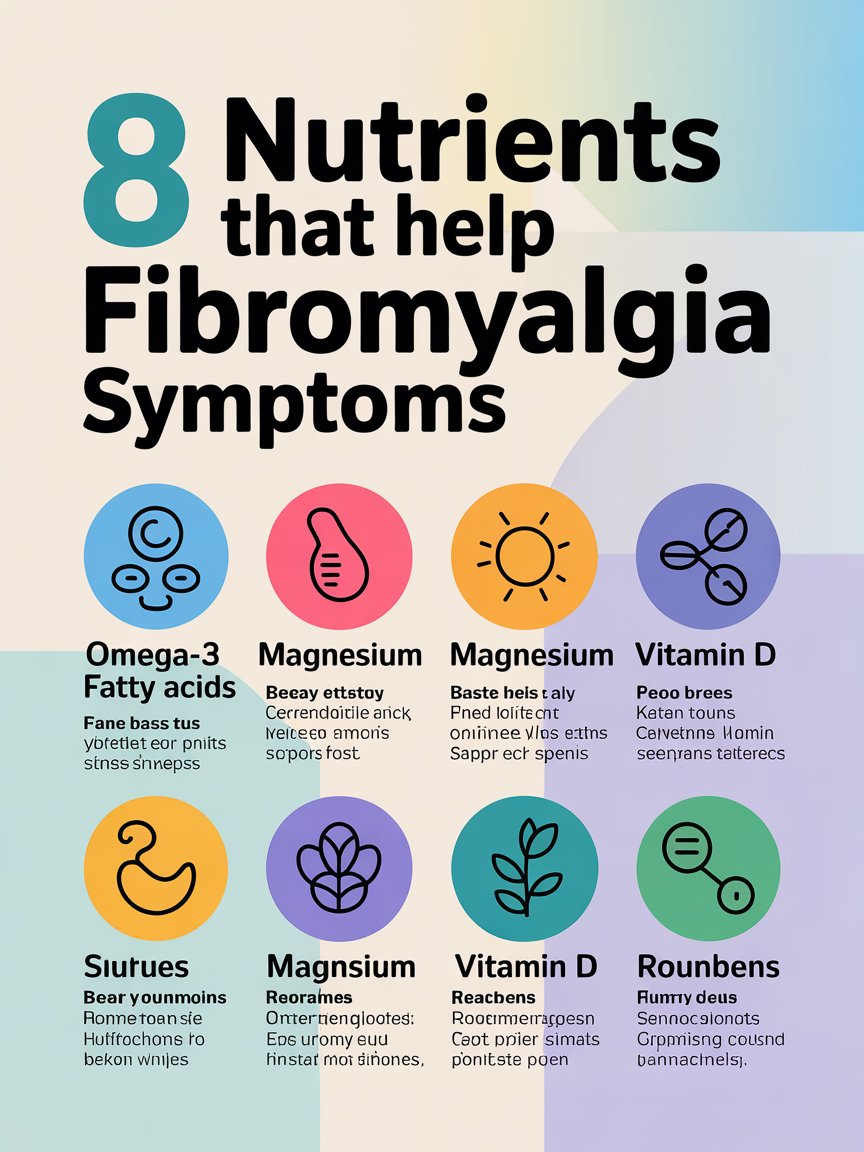
  • 8 Nutrients That Help Fibromyalgia Symptoms

    8 Nutrients That Help Fibromyalgia Symptoms

    8 Nutrients That Help Fibromyalgia Symptoms

    Managing fibromyalgia often involves supporting your body with the right nutrients. Certain vitamins and minerals can help reduce inflammation, improve energy, support muscle function, and calm the nervous system. Including these key nutrients in your diet may help ease symptoms and improve daily comfort.


    1. Magnesium

    Magnesium plays a vital role in muscle relaxation and nerve function.

    Low levels may contribute to muscle pain, cramps, and poor sleep. Foods like leafy greens, nuts, and seeds are excellent sources.


    2. Omega-3 Fatty Acids

    Omega-3 fatty acids are known for their anti-inflammatory effects.

    They may help reduce joint pain and stiffness while supporting brain and heart health. Found in fatty fish, flaxseeds, and walnuts.


    3. Vitamin D

    Vitamin D supports bone health, immune function, and mood balance.

    Deficiency has been linked to increased pain and fatigue in fibromyalgia. Sunlight exposure and fortified foods can help maintain levels.


    4. Vitamin B12

    Vitamin B12 is essential for nerve health and energy production.

    It may help reduce fatigue, brain fog, and nerve-related discomfort.


    5. Iron

    Iron helps transport oxygen throughout the body.

    Low iron levels can worsen fatigue and weakness, making symptoms more difficult to manage.


    6. Calcium

    Calcium is important for muscle contraction and bone strength.

    It works closely with magnesium to support proper muscle and nerve function.


    7. Zinc

    Zinc plays a role in immune health and inflammation control.

    It may help the body recover from stress and support healing processes.


    8. Coenzyme Q10

    Coenzyme Q10 is involved in energy production at the cellular level.

    It may help reduce fatigue and improve overall energy in people with fibromyalgia.


    Final Thoughts

    Focusing on nutrient-rich foods can be a powerful way to support your body when living with fibromyalgia. By ensuring you get enough of these essential nutrients, you may reduce pain, improve energy levels, and enhance overall well-being. Small dietary improvements can lead to meaningful long-term benefits.

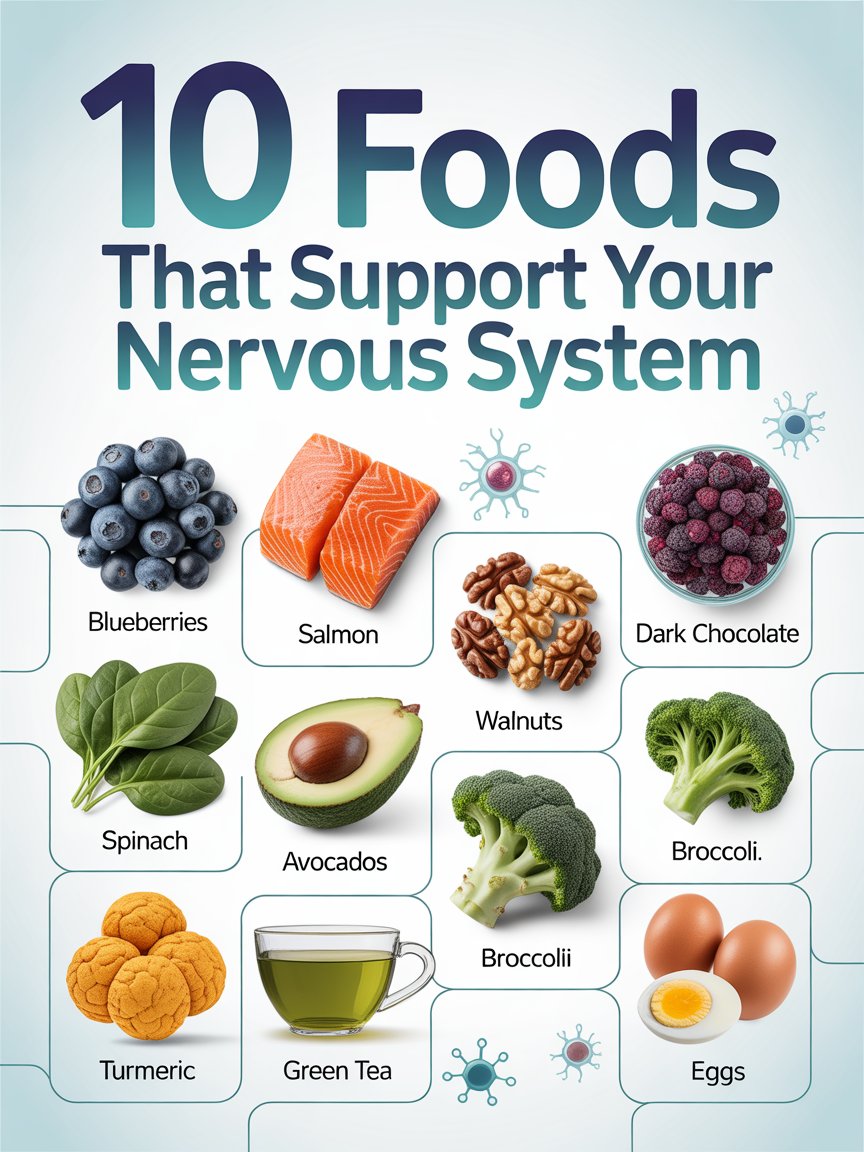
  • 10 Foods That Support Your Nervous System

    10 Foods That Support Your Nervous System

    10 Foods That Support Your Nervous System

    Your nervous system plays a central role in how your body responds to stress, pain, and fatigue—especially in conditions like fibromyalgia. Supporting it with the right nutrients can help improve mood, reduce sensitivity, and promote overall balance. Here are ten foods that nourish and protect your nervous system.


    1. Fatty Fish

    Salmon is rich in omega-3 fatty acids, which are essential for brain and nerve health.

    These healthy fats help reduce inflammation and support communication between nerve cells.


    2. Leafy Greens

    Spinach and other greens are packed with magnesium and vitamins.

    They help relax the nervous system and support proper nerve signaling.


    3. Nuts and Seeds

    Almonds, walnuts, and seeds provide healthy fats and vitamin E.

    These nutrients protect nerve cells and support brain function.


    4. Bananas

    Banana are rich in vitamin B6 and potassium.

    They help produce neurotransmitters and support nerve communication.


    5. Whole Grains

    Oats and other whole grains provide steady energy and B vitamins.

    They support brain health and help maintain stable mood and focus.


    6. Dark Chocolate

    Dark chocolate contains antioxidants and compounds that boost mood.

    It may help reduce stress and support healthy brain function when consumed in moderation.


    7. Avocados

    Avocado are rich in healthy fats and potassium.

    They support blood flow to the brain and help maintain nerve health.


    8. Eggs

    Eggs are a great source of choline and protein.

    Choline is essential for nerve signaling and brain function.


    9. Yogurt

    Yogurt contains probiotics that support the gut-brain connection.

    A healthy gut can positively influence mood and nervous system balance.


    10. Green Tea

    Green tea provides antioxidants and L-theanine.

    This combination helps promote relaxation, reduce stress, and support cognitive function.


    Final Thoughts

    Nourishing your nervous system through diet can help you better manage stress, pain, and fatigue. By including these nutrient-rich foods in your daily routine, you can support brain health, improve mood, and promote overall balance. Small, consistent dietary changes can have a lasting impact on how your body feels and functions.

  • 7 Gut-Friendly Meals for Chronic Pain

    7 Gut-Friendly Meals for Chronic Pain

    7 Gut-Friendly Meals for Chronic Pain

    Supporting your gut health is a powerful step toward managing chronic pain and fibromyalgia. A balanced gut can help reduce inflammation, improve nutrient absorption, and support overall well-being. These simple, gut-friendly meals combine probiotic and prebiotic ingredients to nourish your body and ease discomfort.


    1. Yogurt and Berry Breakfast Bowl

    Start your day with Yogurt topped with Blueberries and a sprinkle of chia seeds.

    This meal provides probiotics and antioxidants that support digestion and help reduce inflammation.


    2. Oatmeal with Banana and Flaxseeds

    A warm bowl of Oats with Banana and flaxseeds is gentle on the stomach.

    It delivers fiber and prebiotics that nourish beneficial gut bacteria and promote steady energy.


    3. Grilled Salmon with Steamed Vegetables

    Salmon paired with fiber-rich vegetables creates a balanced, anti-inflammatory meal.

    Omega-3 fatty acids help reduce inflammation, while vegetables support digestion.


    4. Vegetable Soup with Garlic and Ginger

    A light soup made with Garlic and Ginger is both soothing and nourishing.

    These ingredients support gut health and help reduce inflammation and discomfort.


    5. Quinoa Salad with Avocado

    A fresh salad featuring quinoa and Avocado provides fiber and healthy fats.

    This combination supports digestion and helps maintain balanced energy levels.


    6. Kefir Smoothie with Spinach

    Blend Kefir with Spinach and fruit for a quick meal.

    It delivers probiotics, vitamins, and minerals that support gut health and reduce inflammation.


    7. Brown Rice with Stir-Fried Vegetables

    A simple bowl of brown rice with vegetables creates a gentle, nourishing meal.

    It provides fiber and nutrients that support digestion and help keep your body balanced.


    Final Thoughts

    Gut-friendly meals don’t have to be complicated. By combining probiotic-rich foods with fiber-filled ingredients, you can support your digestive system and reduce chronic pain symptoms. Consistent, mindful eating habits can lead to lasting improvements in comfort and overall health.